






Wood Ear Mushroom from China: Export Guide to Quality and Grades
Wood ear mushroom, prized for its glossy texture and mild earthy flavor, is a staple in Asian cuisine and an increasingly popular ingredient worldwide. China is the world's leading producer, and export-grade wood ear offers buyers a versatile, long-shelf-life product in both dried and rehydrated forms.
This article explains how Chinese wood ear is cultivated and dried, how quality is graded, and what importers should look for when sourcing.
A versatile export product
Wood ear is loved for its crunchy, gelatinous texture that holds up in soups, stir-fries, salads and sauces. Because it stores so well in dried form, it is ideal for shipping long distances and stocking in pantries without refrigeration, making it a favorite for both ethnic markets and mainstream health-conscious buyers.
Cultivation in China
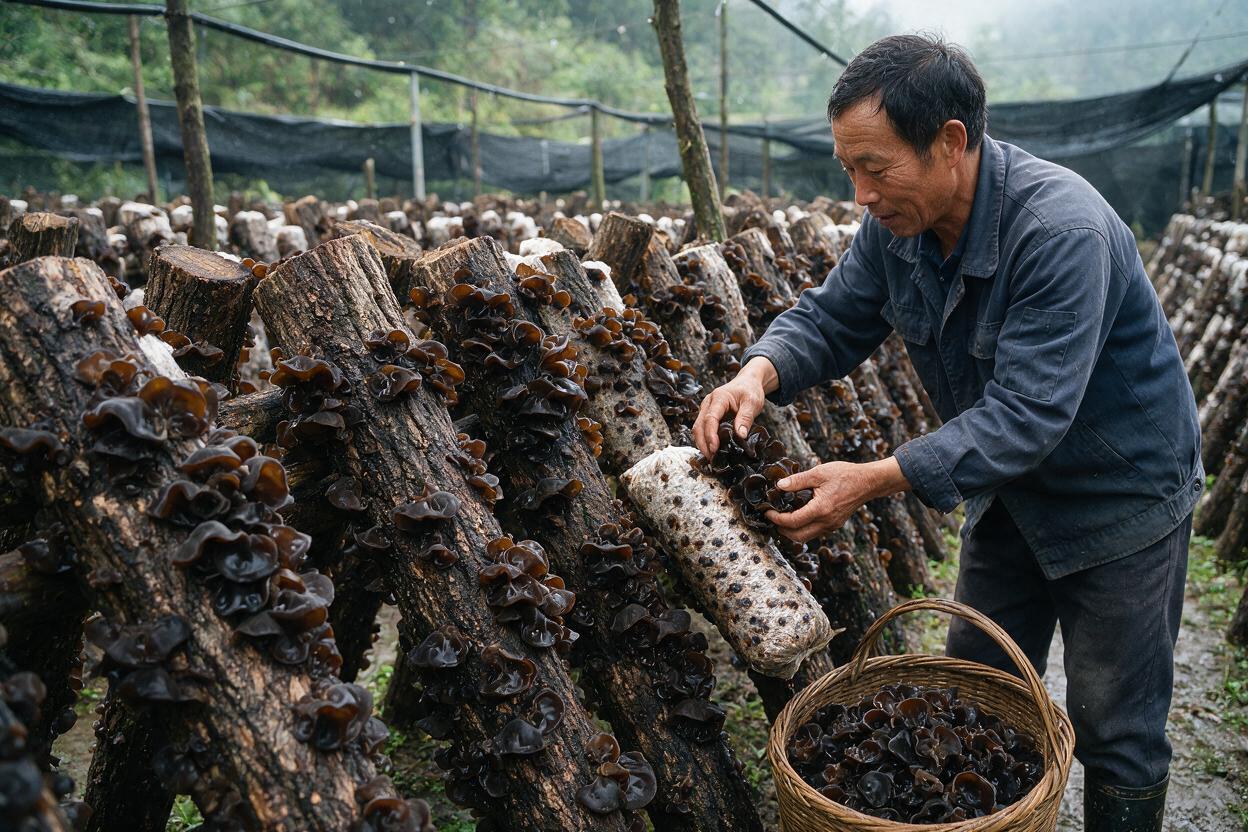
Wood ear is grown on sawdust logs and sterilized substrate blocks called bags in climate-controlled sheds. Growers control humidity and temperature to produce the dark, translucent, ear-shaped caps that define good quality. The crop is harvested in repeated flushes, giving farmers a steady yield across the growing cycle.
Drying is the key quality step
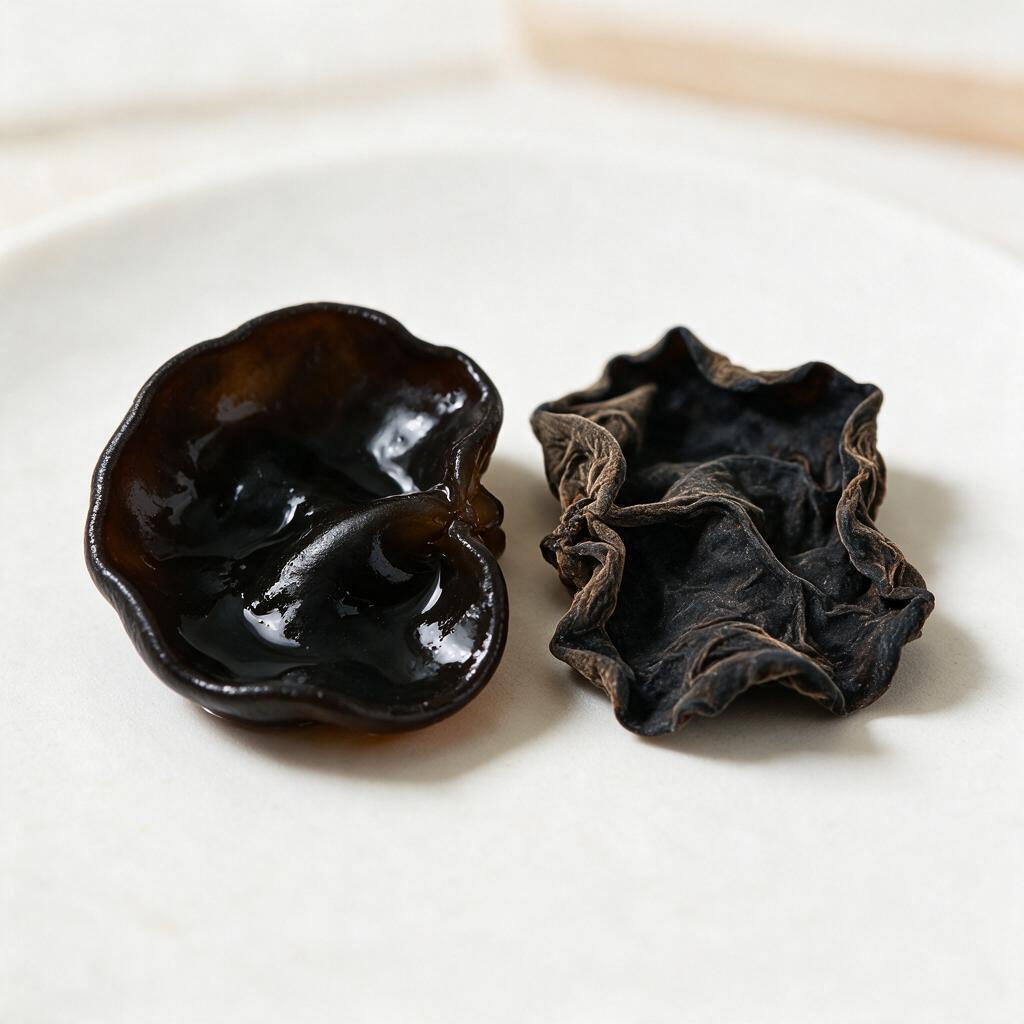
Because most wood ear is exported dried, the drying process is crucial. Properly dried wood ear keeps its dark color, curls into a tight shape and rehydrates quickly to its original size and texture. High-quality drying preserves flavor compounds and prevents the musty smell that signals poor processing.
Buyers judge dried wood ear by its color, thickness, aroma, moisture level and soak ratio, which measures how much it expands when rehydrated.
Grading wood ear for export
Export wood ear is sorted by thickness, size and cleanliness. Premium grades feature thick, whole, uniform caps with clean cream or light undersides, while lower grades may include broken pieces or finer textures. Chinese exporters separate grades carefully so each lot is consistent and fits its intended culinary use.
Packing and shelf life
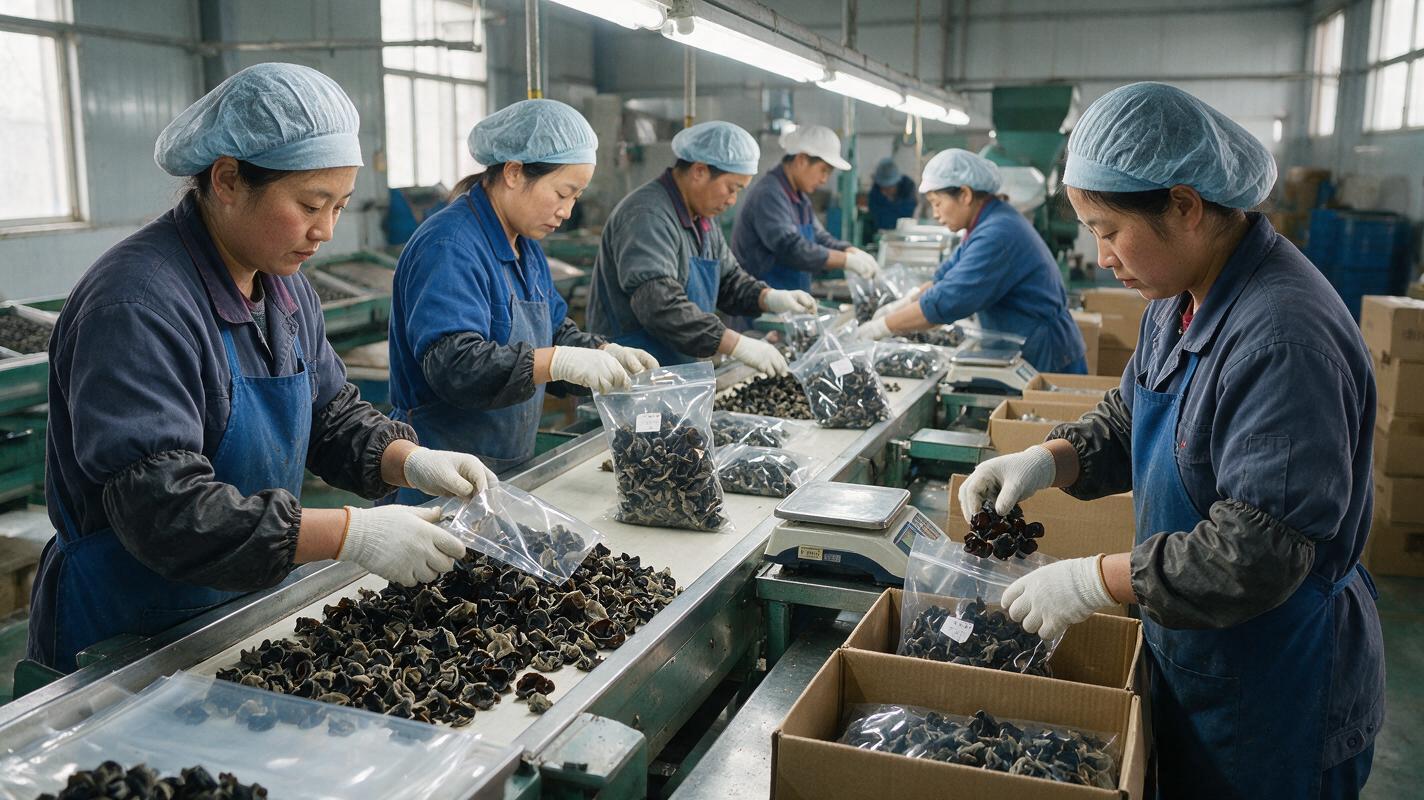
Dried wood ear packs cleanly into sealed bags and cartons that lock out moisture and pests. With low moisture content, it has a long shelf life and travels reliably. Some suppliers also offer dried-and-then-rehydrated or ready-to-cook formats for foodservice.
Choosing a reliable wood ear supplier
A dependable Chinese supplier ensures consistent grade, clean drying and accurate documentation. Knowing the moisture level, soak ratio and certification of the lot helps importers plan recipes and inventory with confidence.
With strong cultivation and careful drying, Chinese wood ear brings its signature bite and versatility to kitchens worldwide.