




Sustainable Ginger from China: Lowering the Carbon Footprint of Exports
Global buyers increasingly ask where their food comes from and how it is produced. Fresh ginger from China is no exception, as importers and food brands seek suppliers who can show responsible farming and a lower carbon footprint. Sustainable ginger production combines soil care, efficient water use, cleaner energy and smarter logistics.
This article explores how Chinese growers and exporters are making fresh ginger more sustainable without sacrificing the bright, pungent quality the market expects.
Why sustainability matters to ginger buyers
Retailers, foodservice chains and manufacturers now include environmental criteria in their sourcing decisions. Buyers look for evidence of reduced emissions, responsible water use and less waste, and they reward suppliers who can document improvements. For ginger, much of the footprint comes from farming inputs, processing energy and long-distance shipping.
By tackling each stage, Chinese exporters make their ginger more attractive to sustainability-minded importers while often lowering costs through efficiency.
Soil care and responsible farming
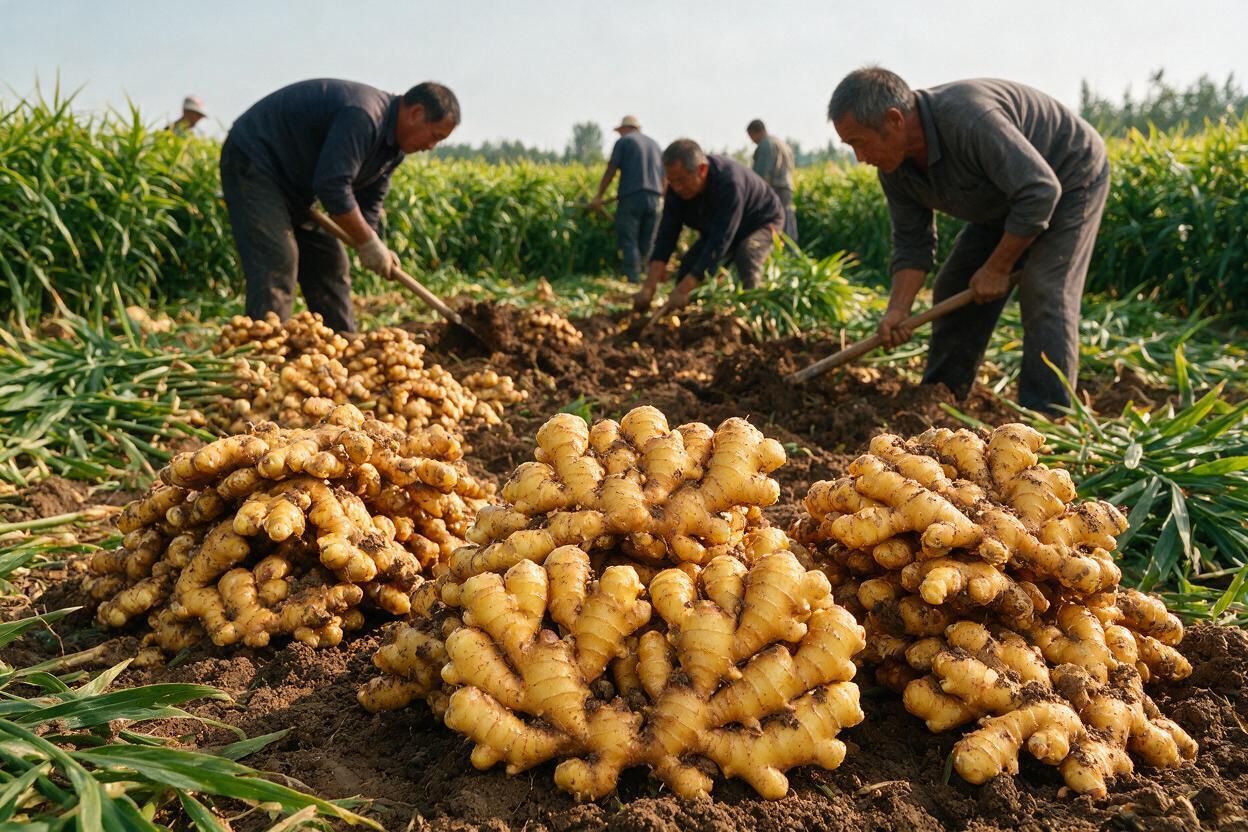
Healthy soil is the foundation of sustainable ginger. Rotating crops, using cover crops and adding organic matter rebuild soil fertility and reduce the need for chemical inputs. Careful nutrient management cuts runoff while keeping ginger roots firm and well-filled. Farms that track soil health produce more consistent quality season after season.
Water conservation and cleaner energy
Ginger needs consistent moisture, but sustainable farms use drip irrigation to deliver water exactly where roots grow, saving significant volumes. Washing lines recycle water, and packhouses increasingly run on renewable energy or more efficient equipment to cut emissions from processing. These measures lower both footprint and operating cost.
Reducing waste across the chain
Waste reduction is a key sustainability lever. Peels and trim can be diverted to compost, animal feed or extraction, while careful handling cuts the culls that would otherwise be discarded. Grading systems route imperfect roots to processing rather than waste, keeping more of each crop valuable.
Carbon-conscious packing and shipping
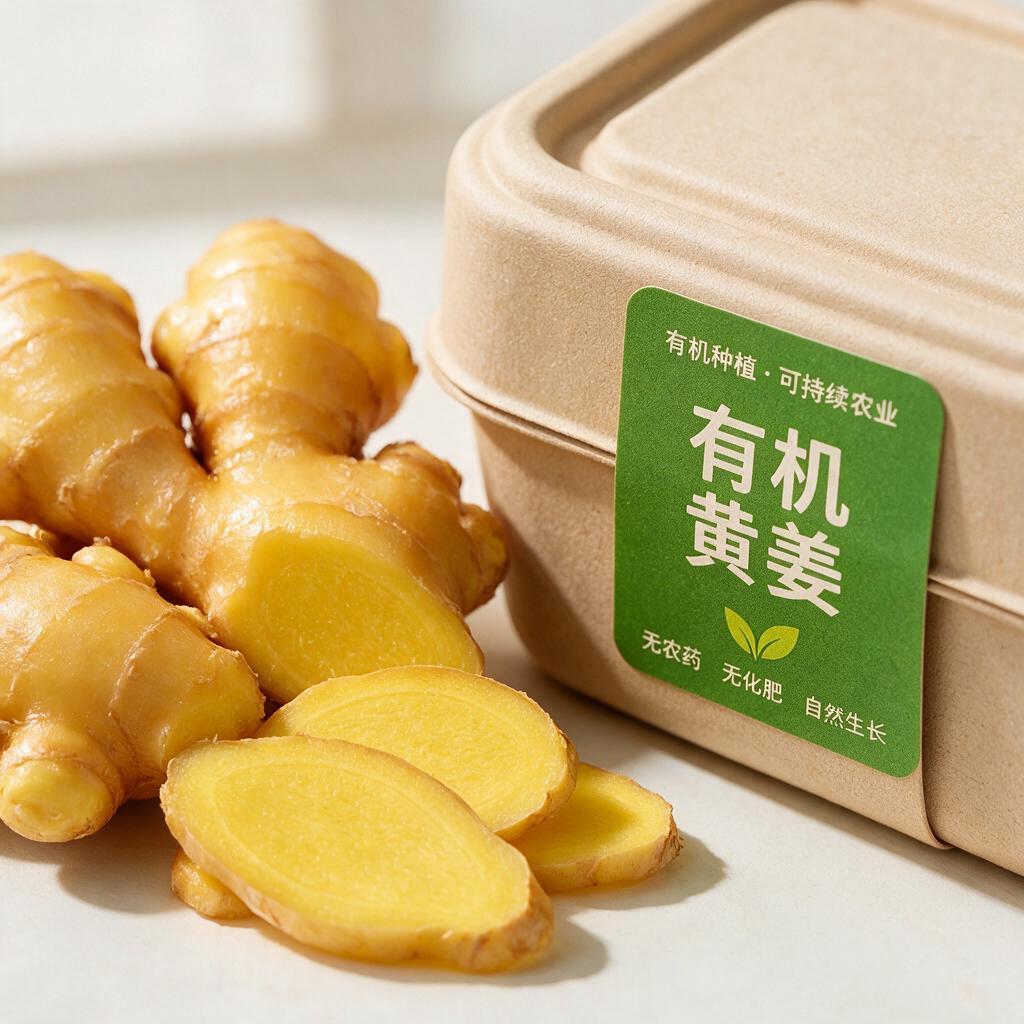
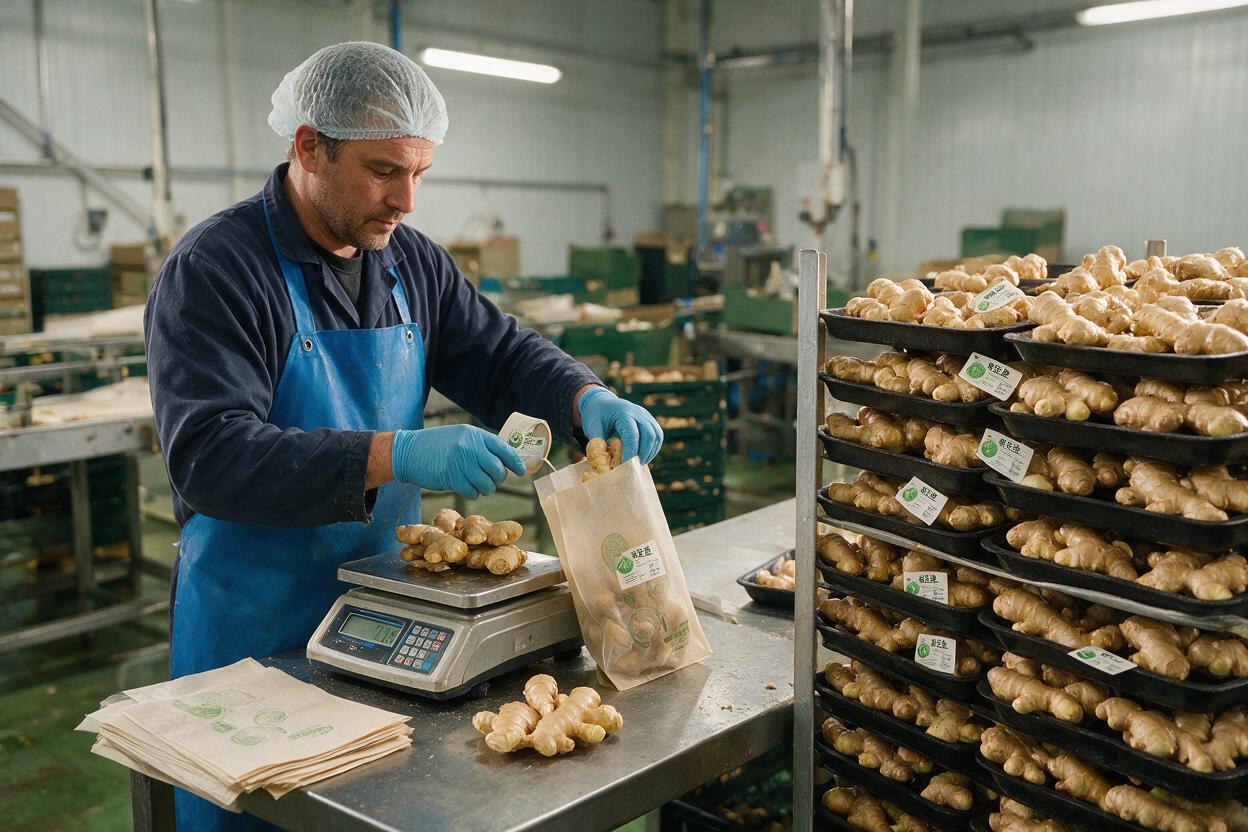
Packaging choices shape a meaningful share of the footprint. Lighter recyclable materials, smaller cartons and better pallet density mean more ginger per container and fewer emissions per kilogram. Eco-friendly packing is increasingly possible at the same cost, and buyers value a supplier who prioritizes it.
Partnering for a lower-impact supply
For buyers, choosing a sustainable ginger supplier is a practical way to meet corporate environmental goals while securing fresh, pungent product. Chinese exporters who combine responsible farming, efficient energy and carbon-conscious logistics can document a genuinely lower footprint.
By making sustainability a core part of production, China's ginger industry now serves global buyers who want quality they can feel good about.