





Garlic Sea vs Air Logistics From China: Choosing the Right Export Route
Two Roads for Chinese Garlic
Fresh garlic is durable enough for sea freight yet valuable enough to sometimes justify air cargo. The right choice depends on the destination, the quantity, the market price and the buyer's urgency. Understanding the trade-offs between ocean and air logistics lets exporters and importers optimize both cost and freshness.
<>The Economics of Sea Freight
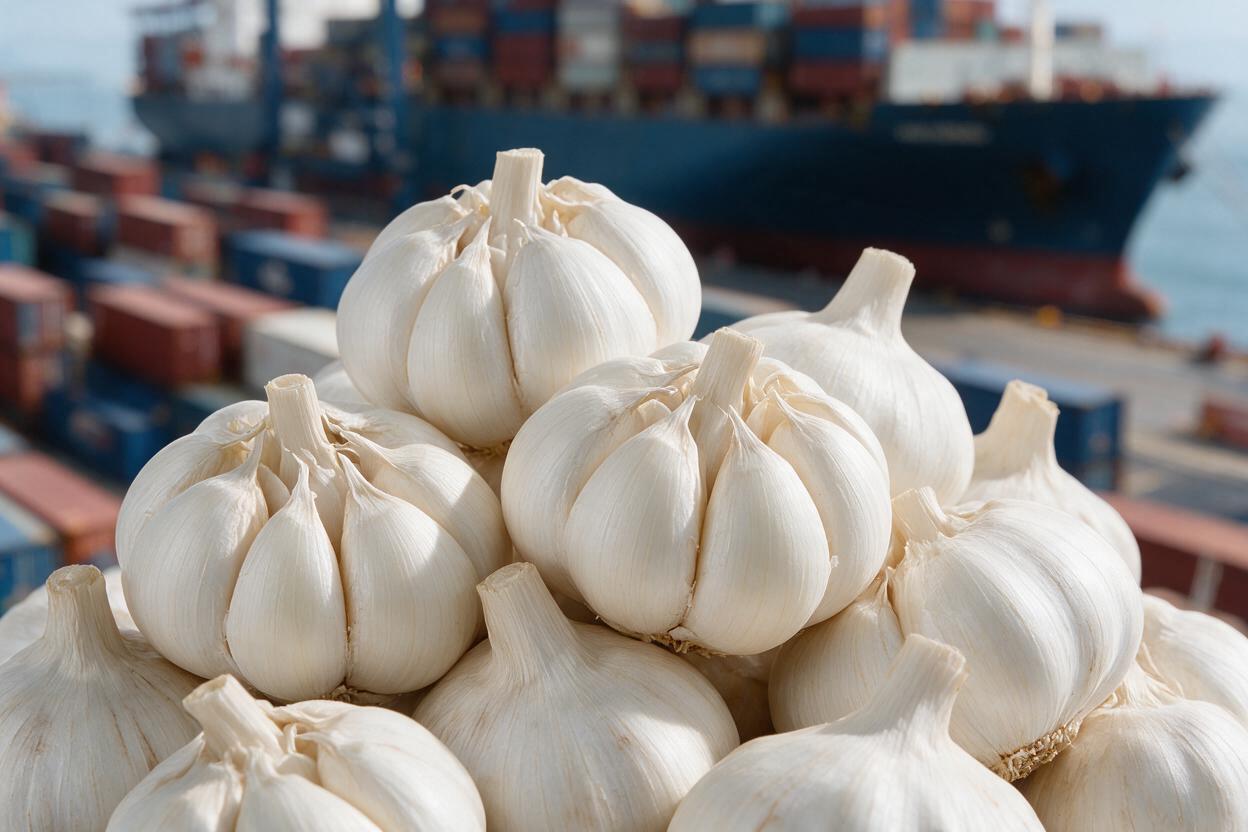
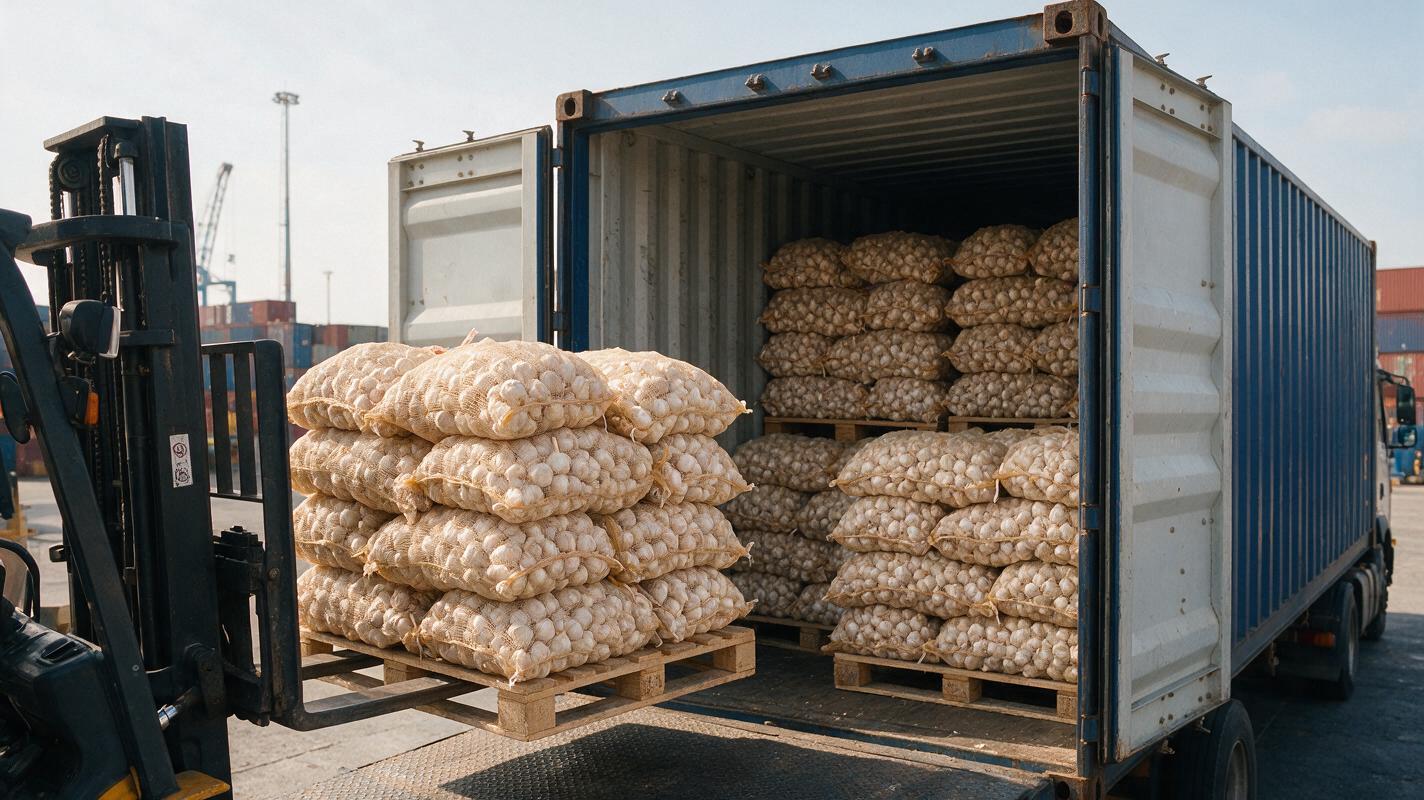
Sea freight is the backbone of Chinese garlic exports. Containers move from major Chinese ports to markets across Asia, Europe, the Middle East and the Americas at a fraction of air cost. Well-cured, dry garlic withstands ocean transits of several weeks when packed in ventilated mesh and maintained in the right conditions, making sea the default for large, price-sensitive orders.
< >
When Air Freight Makes Sense
Air cargo costs far more per kilogram, but it can be the right call when time-to-market is critical - such as meeting a holiday demand window, fulfilling a spot order, or moving a premium variety where shorter transit protects quality. Air also reduces risk in humid seasons and lets buyers hold smaller, fresher inventories.
Protecting Quality on the Voyage
Whichever route you choose, garlic must be properly cured and dried before loading to minimize moisture, sprouting and decay risk. Ventilated packaging, careful stacking and avoidance of excessive heat and humidity during transit are essential. For sea freight, confirming container ventilation and monitoring temperature helps the load arrive in prime condition.
< >
Cost, Speed and the Balanced Choice
For most fresh garlic, sea freight offers the best balance of cost and reliability, while air freight serves as a fast, flexible premium option. Factors such as port congestion, seasonal freight rates and destination import rules should be reviewed before each shipment. A supplier that offers both options lets the buyer adapt to changing circumstances.
Partnering for Smooth Garlic Shipments
Experienced Chinese garlic exporters coordinate the entire chain - curing, packing, documentation and routing - and advise buyers on the best mode for each order. By working with a supplier who understands both sea and air logistics, importers get garlic delivered at the right quality, cost and time, whatever the market demands.