




Understanding Garlic Export Costs and Margins from China
Garlic is one of the most traded fresh commodities, and its final price depends on far more than the farm gate value. For importers, understanding the cost chain behind a garlic quote means negotiating better and avoiding surprises at the destination port.
Where the cost builds up
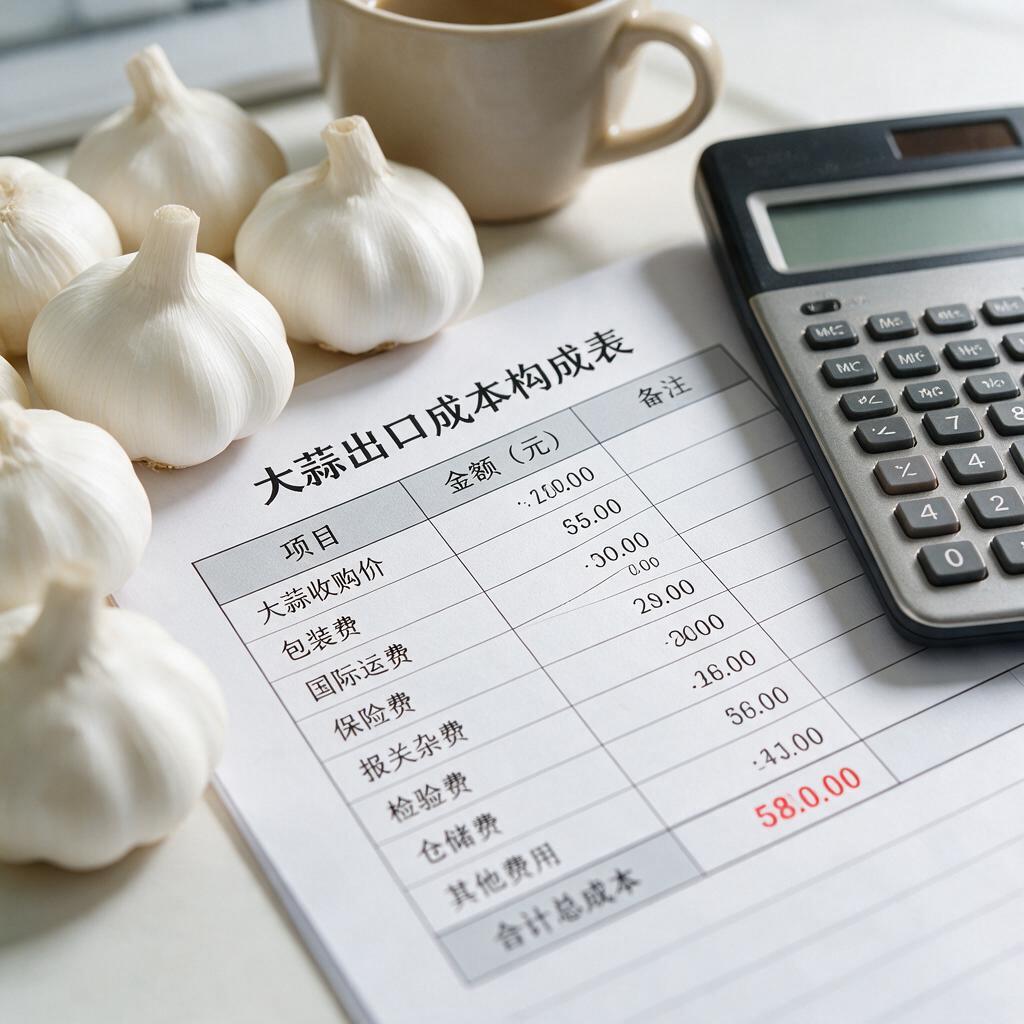
Costs start at the farm: seed, labor for planting and harvest, curing and drying. Growers and shippers add handling, washing, sorting and peeling to the base value. Each step that adds convenience - such as peeled cloves or graded fresh bulbs - carries its own processing cost.
Packing is a meaningful line item. Garlic needs well-dried bulbs, strong net bags or cartons, and moisture protection. Export-grade packing plus labor raises the unit cost above local market produce.
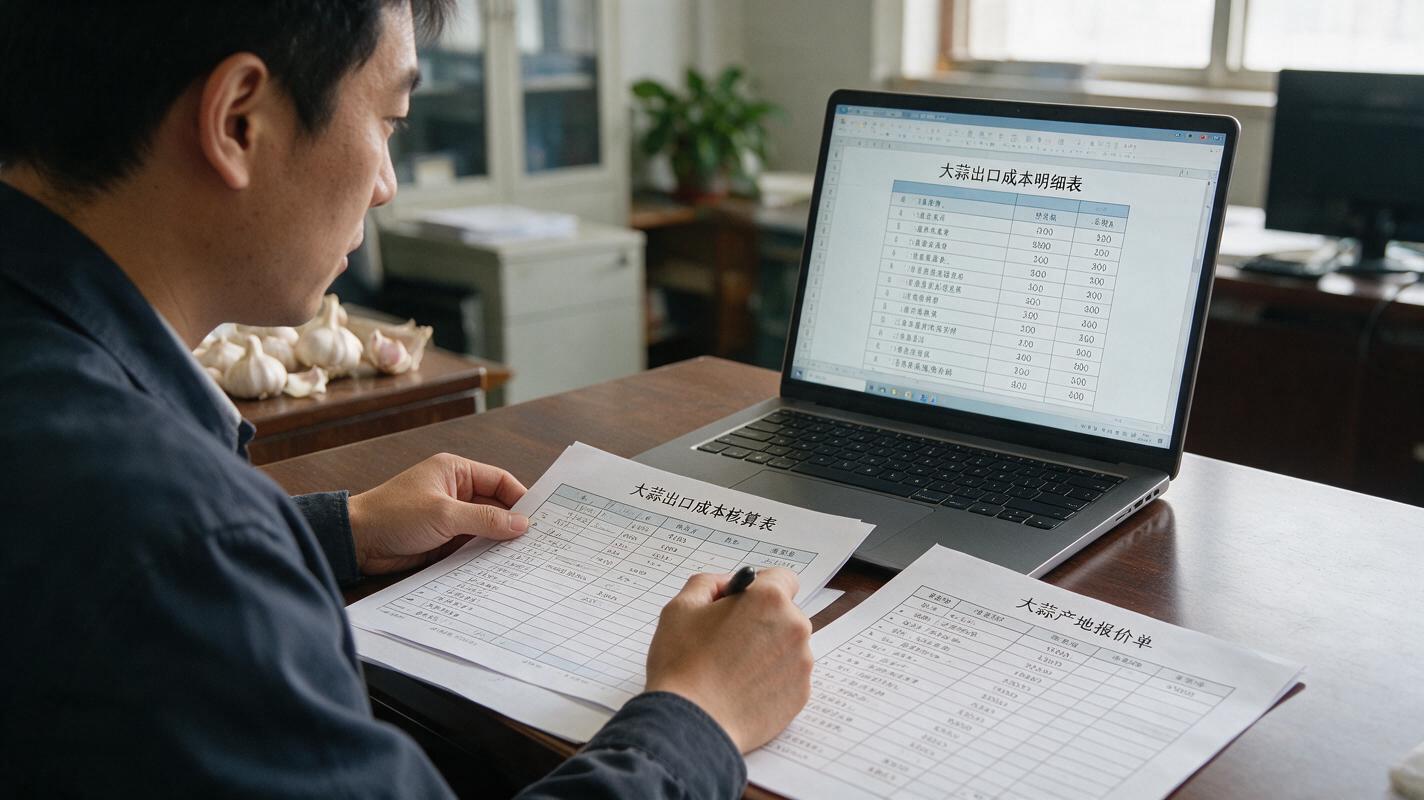
Logistics, duties and margin
Cold-chain handling, container freight, insurance and destination clearance make up the logistics block. Import duties and phytosanitary fees vary by market and can shift the landed price noticeably, so they belong in any realistic cost model.
On top sits the supplier's margin, which reflects scale, quality consistency and service. A reliable exporter may price slightly higher than a spot trader because they absorb grading, documentation and order-management costs that a casual shipper does not.
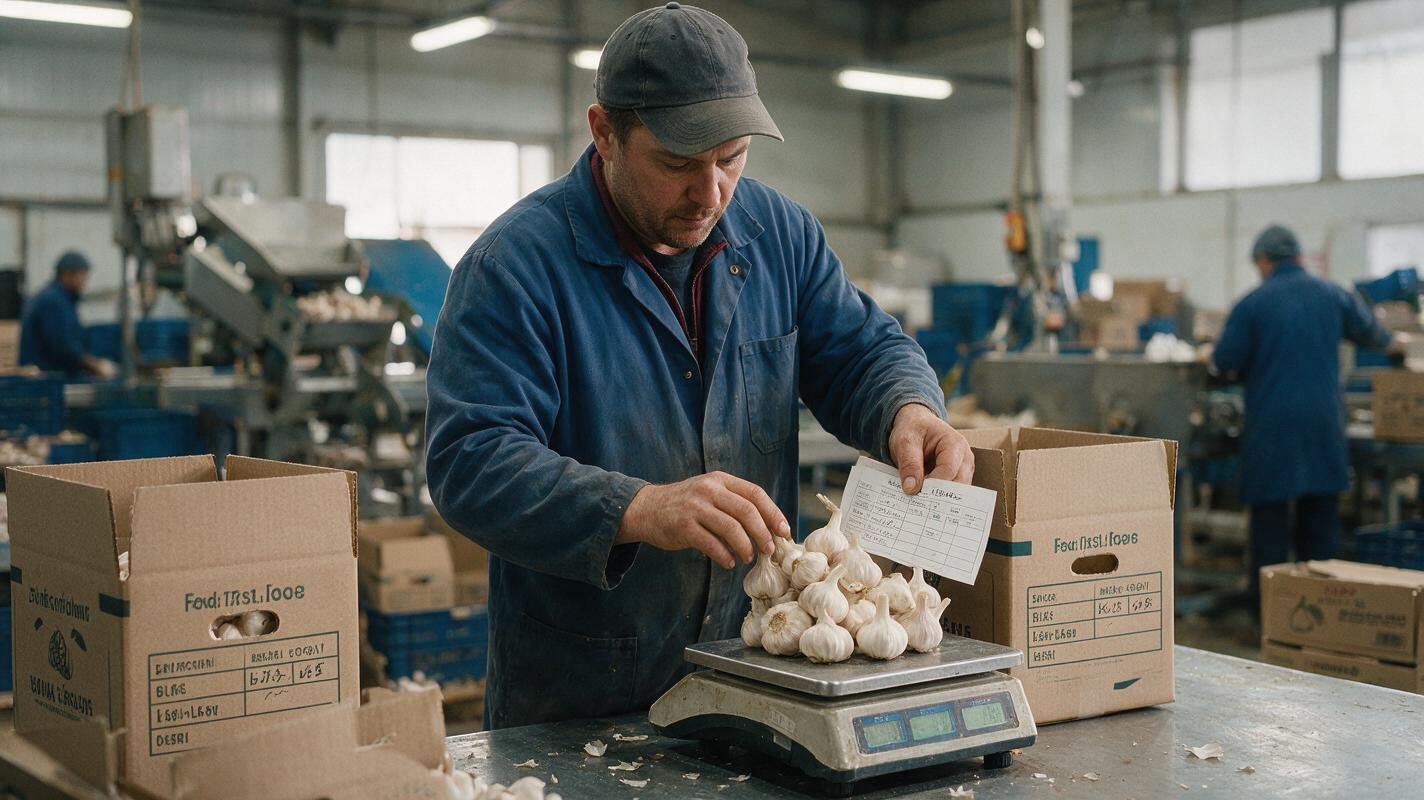
Reading a quote wisely
Buyers should compare quotes on the same terms: grade and size, packing, Incoterms, inspection, and payment. Transparent suppliers can break down the cost structure line by line, which makes negotiation clearer and reduces the risk of hidden charges.
A clear view of garlic's cost and margin structure lets importers plan landed price, time purchases against the season, and build a long-term relationship with an exporter whose pricing is honest and predictable.