



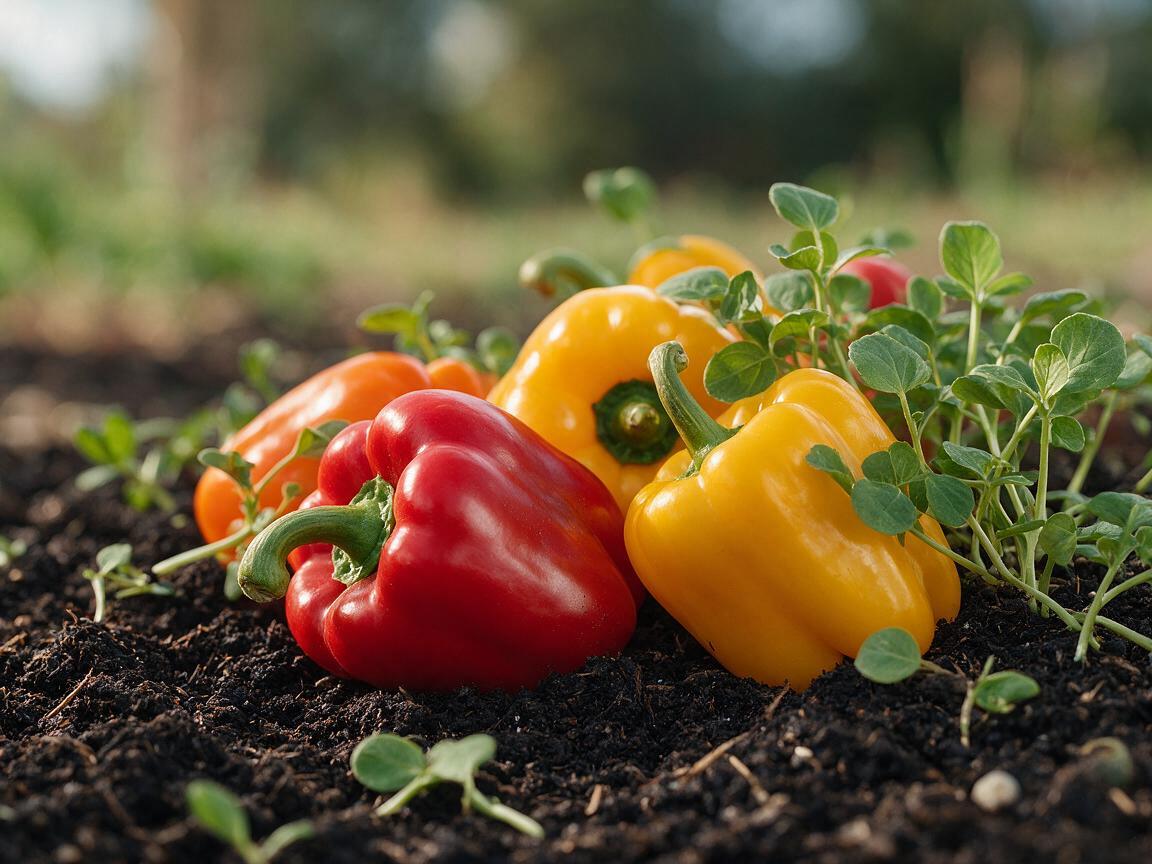
Bell Pepper Crop Rotation & Soil Health: Strategies for Export Farms
Crop rotation is one of the most powerful, low-cost tools an export bell pepper farm can use, yet it is frequently overlooked in the rush to maximize planted area. For growers supplying overseas supermarkets and foodservice chains, a disciplined rotation directly supports the two things buyers care about most: consistent quality and compliance with residue limits.
Why Rotation Matters for Export Bell Peppers
Continuous planting of peppers on the same land depletes specific nutrients and lets soil-borne pathogens such as Phytophthora and root-knot nematodes build up. Once disease pressure concentrates, growers are tempted to rely on heavier chemical programs, which raises MRL (maximum residue limit) risk during export inspection. Rotation breaks that cycle naturally.
Best Rotation Partners
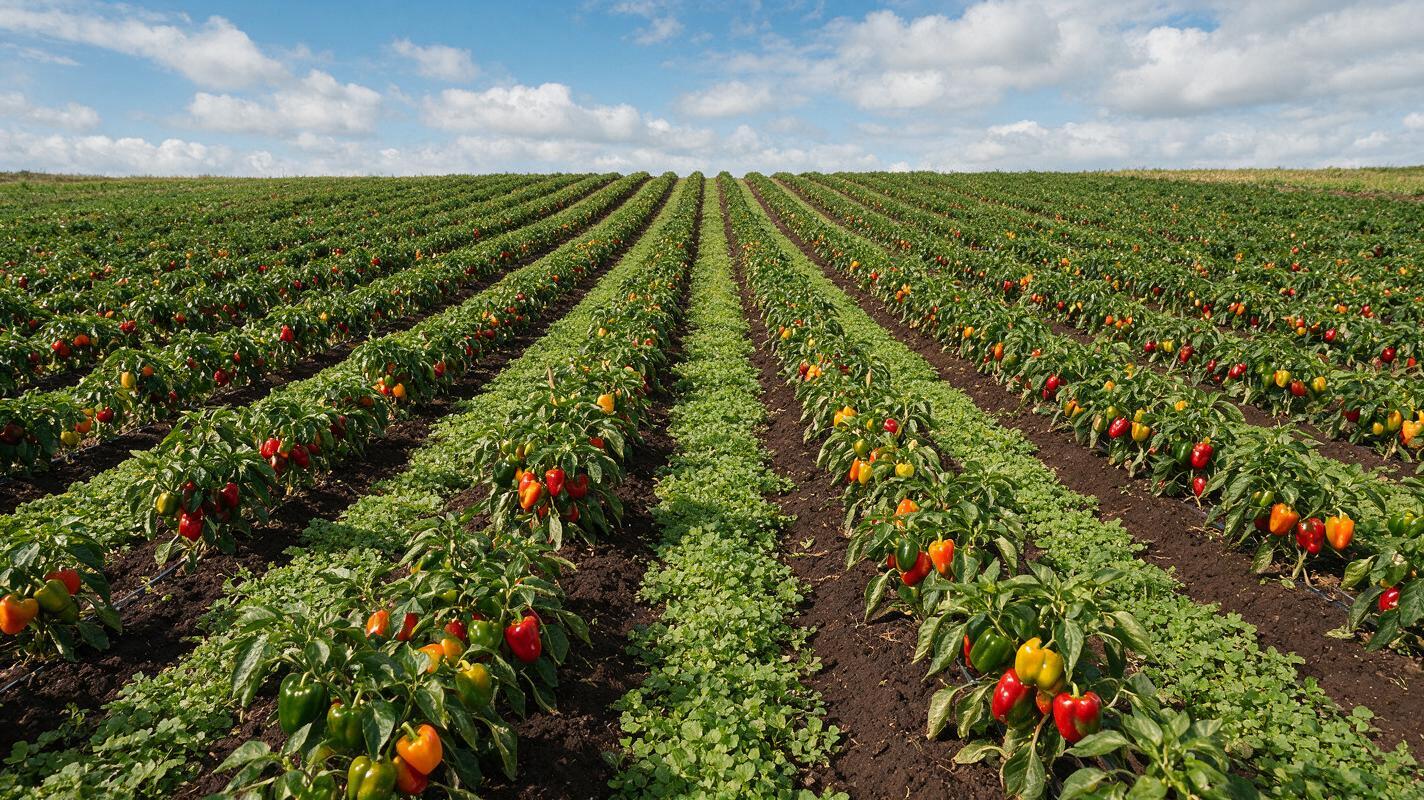
Legumes such as soybeans, mung beans or broad beans fix nitrogen and improve soil structure, while deep-rooted cover crops like ryegrass and buckwheat loosen compacted layers and suppress weeds. Chinese export farms often follow a three-to-four-year cycle: bell peppers, then a legume, then a leafy crop or cereal, then a rest with green manure.
Soil Health Practices That Pay Off
Beyond rotation, leading growers add organic matter via composted manures, maintain pH near 6.0–6.8, and use drip irrigation with mulched beds to conserve moisture. Regular soil testing every one to two seasons lets farms adjust fertility before symptoms appear, cutting unnecessary pesticide and fertilizer spend.
Meeting Overseas Compliance
Cleaner soil biology means fewer rescue sprays and lower residue load. Export-oriented rotation plans are often documented for GLOBALG.A.P. and other certification audits, which increasingly ask growers to prove their crop-protection strategy, not just the final spray records.
Working With a Reliable Supplier
When you source bell peppers from China, a farm with a genuine rotation and soil-health program typically delivers more uniform size, better color development and steadier supply across the season. Ask your supplier about their rotation schedule and soil-testing records — it is a fast way to tell a professional operation from a spot-market trader.
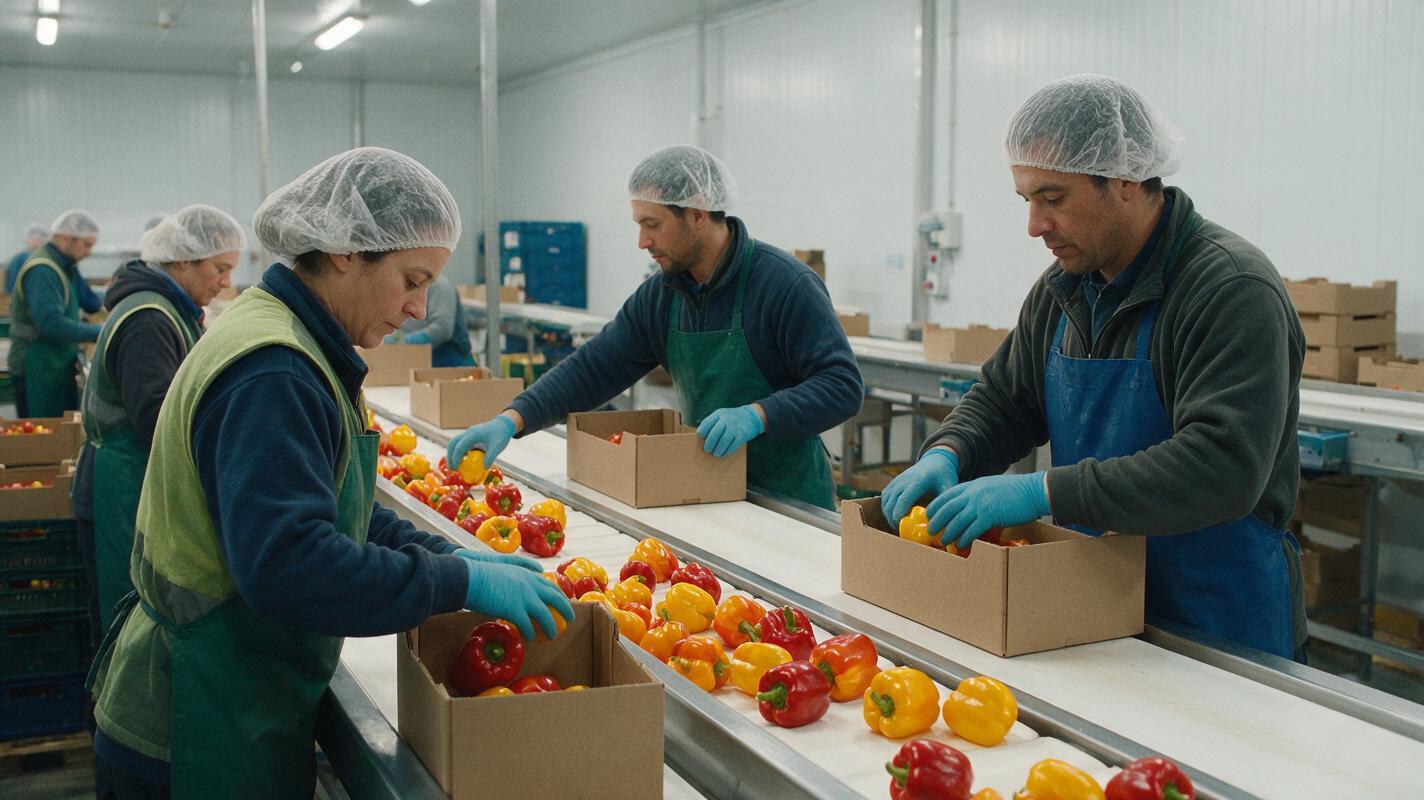
From field planning to export packing, crop rotation and soil health are the quiet foundation of a durable bell pepper supply chain. Choose a partner who treats the soil as seriously as the carton.