




Carrot Nutrition & Beta-Carotene: Why Fresh Chinese Carrots Drive Global Health Demand
Few vegetables pack as much nutrition messaging into one root as the carrot. Rich in beta-carotene, dietary fiber, vitamins and a range of antioxidants, the humble carrot has become a favorite of health-conscious consumers from North America to the Middle East and East Asia. As demand for natural, nutrient-dense food grows, fresh carrots from China are playing a bigger role in global supply chains for juicing, retail bunches and clean-label foodservice menus.
Understanding what makes a carrot nutritionally valuable - and how that links to variety, color and growing conditions - helps buyers source fruit that genuinely serves the health market instead of just filling a carton with cheap roots.
Why beta-carotene matters
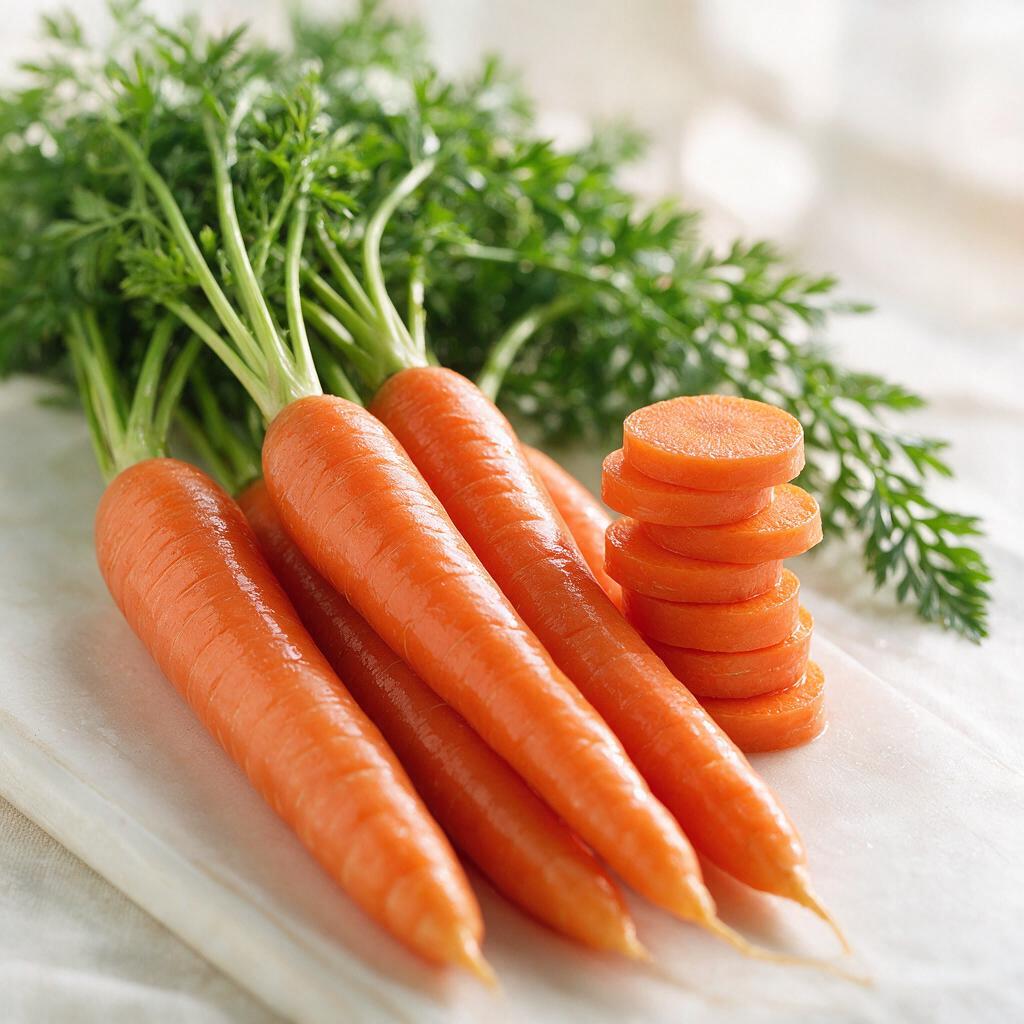
Beta-carotene is the orange pigment that the human body converts into vitamin A, which supports vision, immune function and skin health. Deep orange carrots are naturally rich in beta-carotene, and color intensity is one of the simplest visual proxies for nutritional density. Premium export-grade carrots are selected for a deep, uniform orange core with high sugar solids, which typically correlates with both sweetness and carotene content.
For juicing and functional food buyers, this matters directly. A carrot with richer color and higher brix produces a more attractive, more nutrient-dense juice with better mouthfeel. That is why health-driven beverage brands increasingly specify color and brix tolerances rather than just length and caliper.
Varieties and nutrition
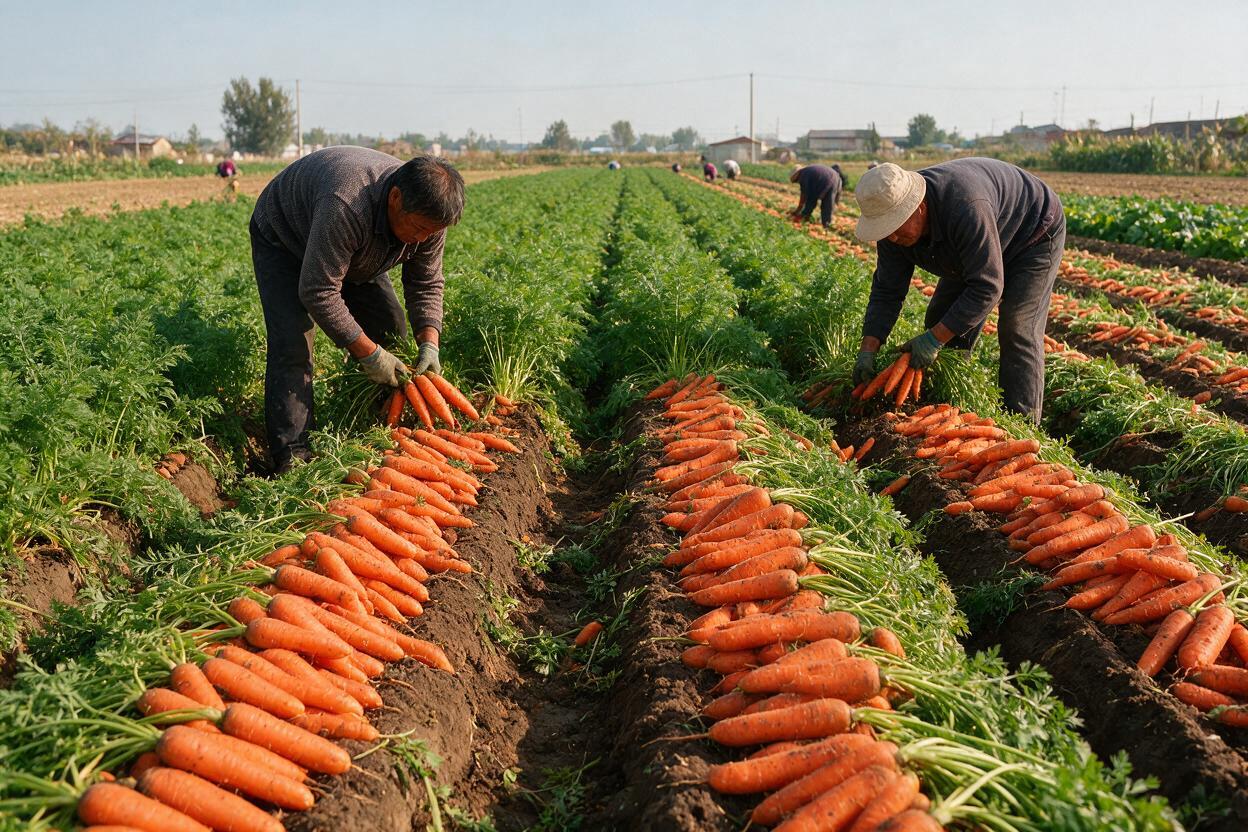
Chinese production spans a wide range of carrot types. Deep-orange Imperator- and Nantes-type carrots carry high carotene and are favored for juicing and retail. Rainbow-colored carrots - purple, red, yellow and white - deliver different anthocyanin and antioxidant profiles and command premium prices in specialty retail. Buyers serving the health market can mix classic orange volume with colored varieties to build a nutrition-differentiated assortment.
Growing region and season also influence flavor and solids. Cool-region crops, harvested at the right maturity, tend to accumulate more sugars and carotenoids. Sourcing from a supplier with multiple regional lots allows year-round access to carrots with consistent color and sweetness.
Sourcing fresh carrots for the health market

When sourcing fresh carrots from China for health-driven channels, buyers should verify a few things: deep uniform color, high brix and sugar solids, clean grading and washing, and proper cold-chain handling after harvest. Beta-carotene is stable, but physical bruising and moisture loss degrade appearance and shelf life, so post-harvest care is as important as the variety in the ground.
For juicing and retail programs, ask your supplier to provide color and brix specifications, size calibration, and packing options from loose bulk to consumer bags. A processor that controls these details can deliver fresh carrots that genuinely back your health positioning and keep your shelves turning.
The carrot is a perfect case of a commodity crop revalued by nutrition. Buyers who source by color, brix and care rather than price alone turn an everyday root into a clean, compelling health story.