




Carrot-Based Functional Beverages with Natural Colour from China
Carrots are no longer just a root vegetable for the produce aisle. Across global beverage markets they have become a platform for functional drinks, natural food colouring, and antioxidant-forward juices. Chinese processors supply the whole spectrum, from single-strength carrot juice to concentrated bases, carotenoid extracts, and blends that pair carrot with fruit for taste. For beverage brands, China offers a cost-effective, scalable source of raw carrot material with stable supply almost year-round.
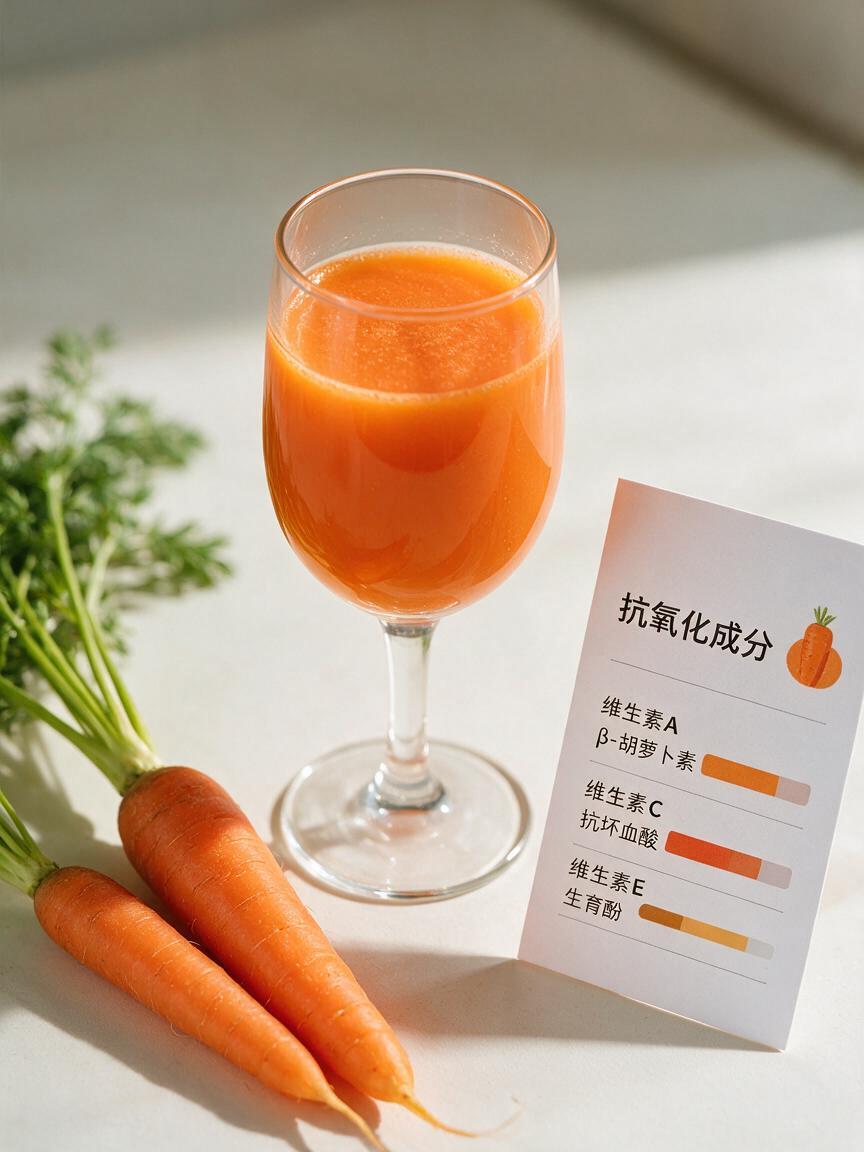
The appeal starts with nutrition. Carrots are one of the richest natural sources of beta-carotene, a provitamin that the body converts into vitamin A. Because the orange pigment is fat-soluble, processors often advise formulators to pair carrot juice with a small amount of oil or cream so the body absorbs more of it. Beta-carotene also serves as a clean-label orange colour, letting brands replace synthetic dyes with a vegetable-derived pigment that consumers recognize and trust.
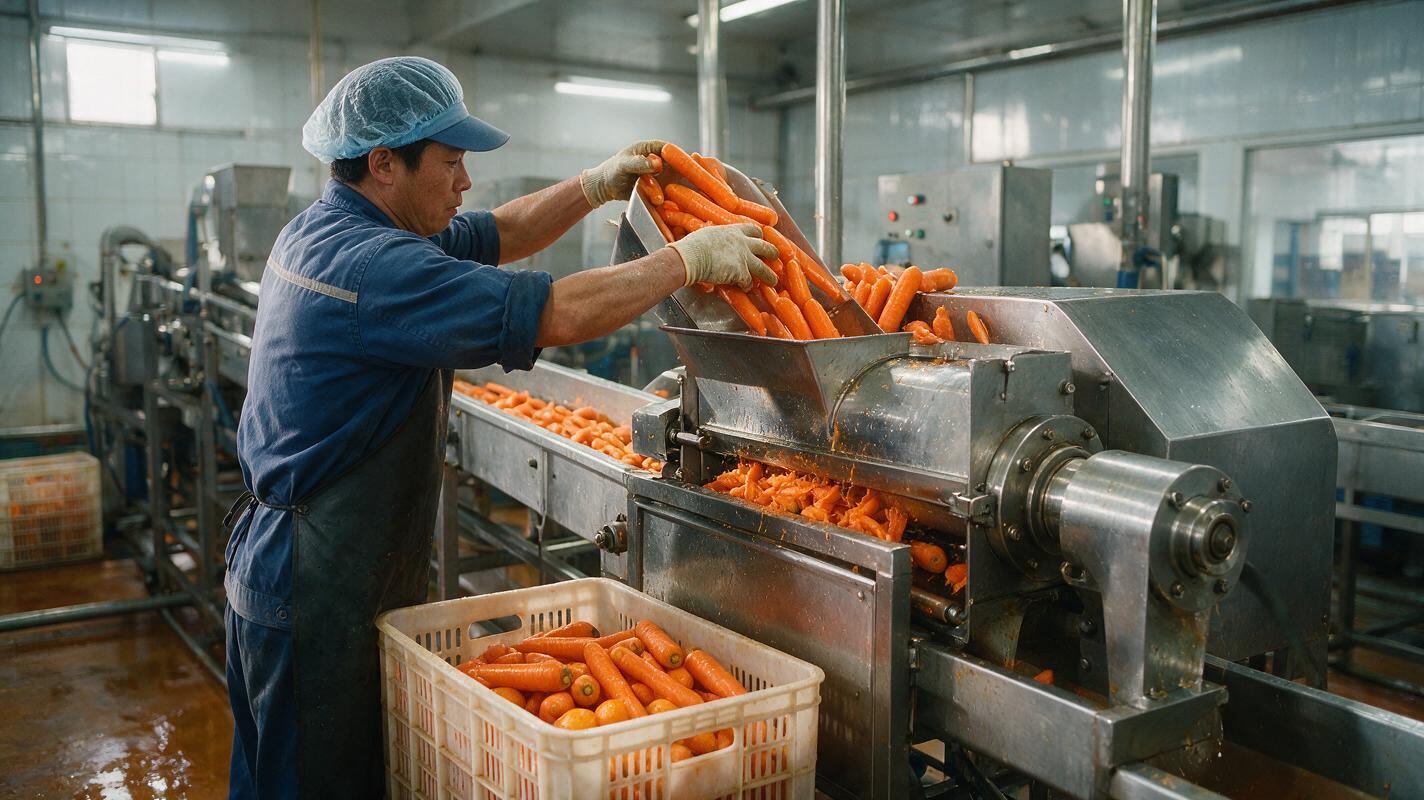
The processing route decides the final quality. Cold-pressed carrot juice is made by crushing the root and pressing the pulp without heat, preserving delicate flavours, enzymes, and the maximum antioxidant yield, but it requires a strict cold chain and a short shelf life. Pasteurized and HPP (high-pressure processing) options extend shelf life, while aseptic concentrates offer the longest storage and are ideal for brands that want to dilute or blend at their own plant.
Colour stability is a technical point that separates a good supplier from a great one. Beta-carotene can oxidize and change shade over time, especially when exposed to light and oxygen. Chinese suppliers manage this with oxygen-scavenging packaging, amber glass or foil-lined cartons, and careful control of pasteurization temperature. Asking for accelerated shelf-life testing on colour confirms that a batch stays vibrant through its stated life.
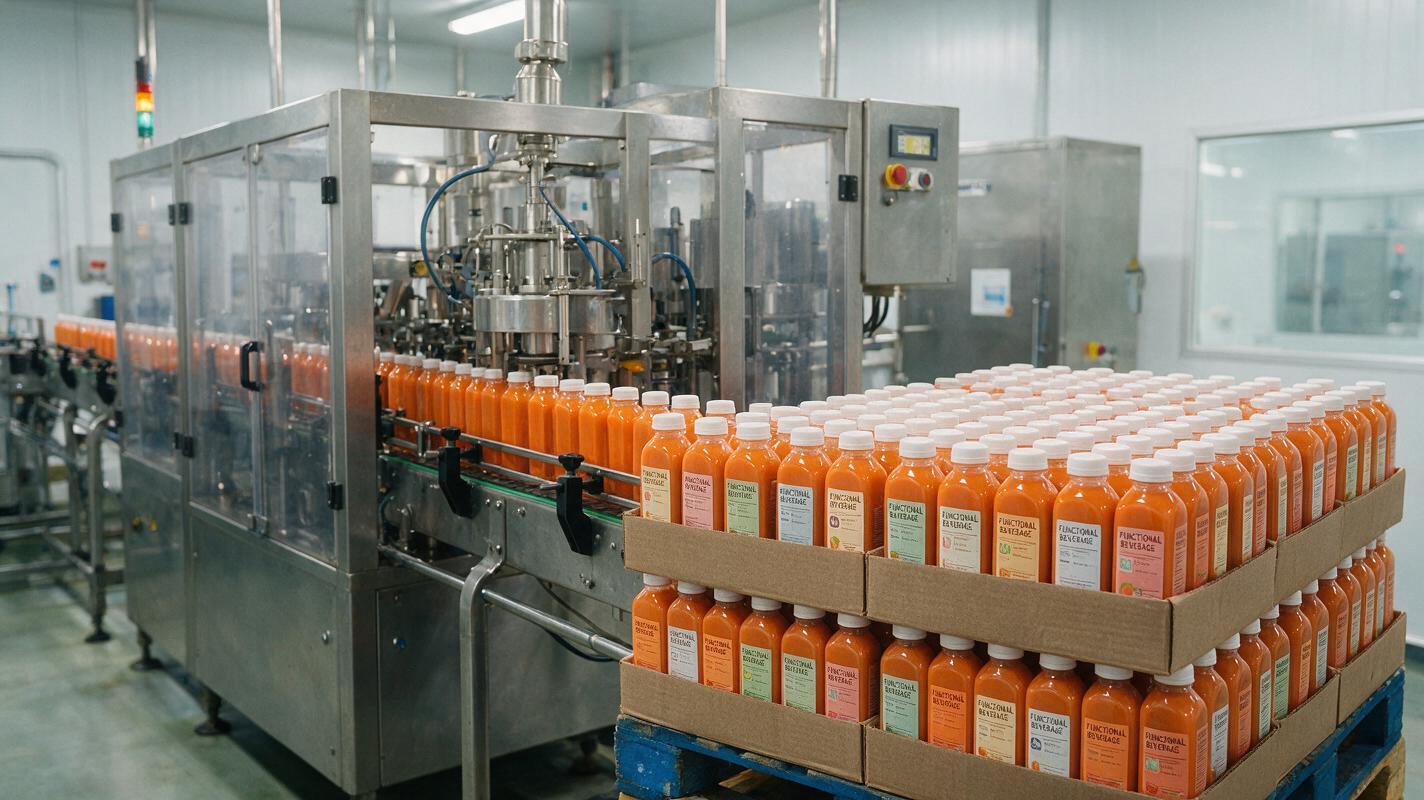
Functionality is increasingly built into the formula. Some Chinese producers blend carrot with turmeric, ginger, or citrus to deliver a combined antioxidant story, while others add vitamins or fibre to position the drink as an everyday wellness product. For foodservice, carrot juice is a base for smoothies and juice bars; for retail, it appears in single-serve bottles and shelf-stable cartons. The flexible capability of Chinese co-packers makes it feasible to test a small run before committing to large volumes.
For importers, the business case is clear. China grows enormous volumes of sweet, deeply orange carrots, and the processing industry converts them into consistent, export-ready liquid ingredients. By working directly with a processor, brands gain control over carrot sourcing, colour standards, and hygiene documentation while benefiting from China's competitive production costs. As consumers keep choosing natural, antioxidant-rich drinks, carrot-based beverages are a durable category with room to grow.