




Blockchain-Traced Carrots from China: Transparent Supply Chain for Export
Food safety and supply chain transparency are now central to how importers choose produce suppliers. Chinese carrot exporters are responding with traceability systems, including blockchain-based records that let buyers verify where a batch was grown, how it was handled, and what quality tests it passed.
How traceability works in practice
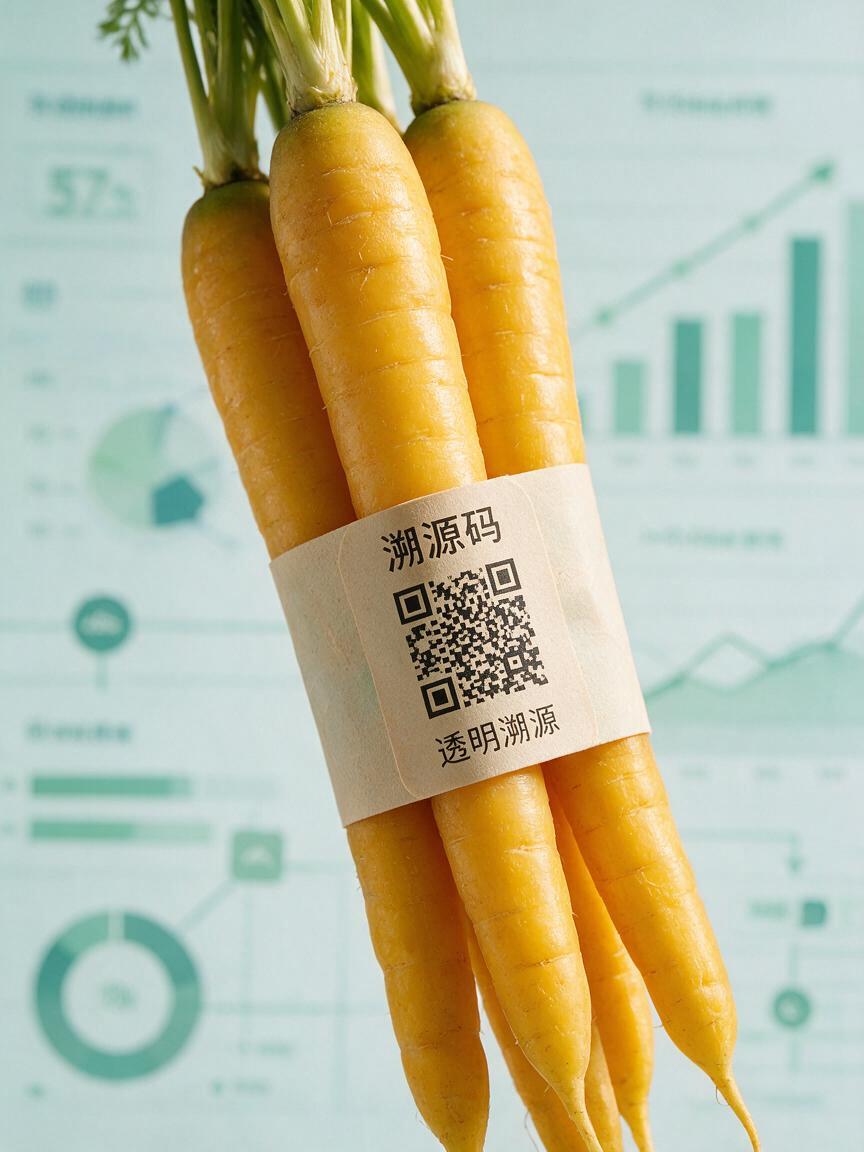
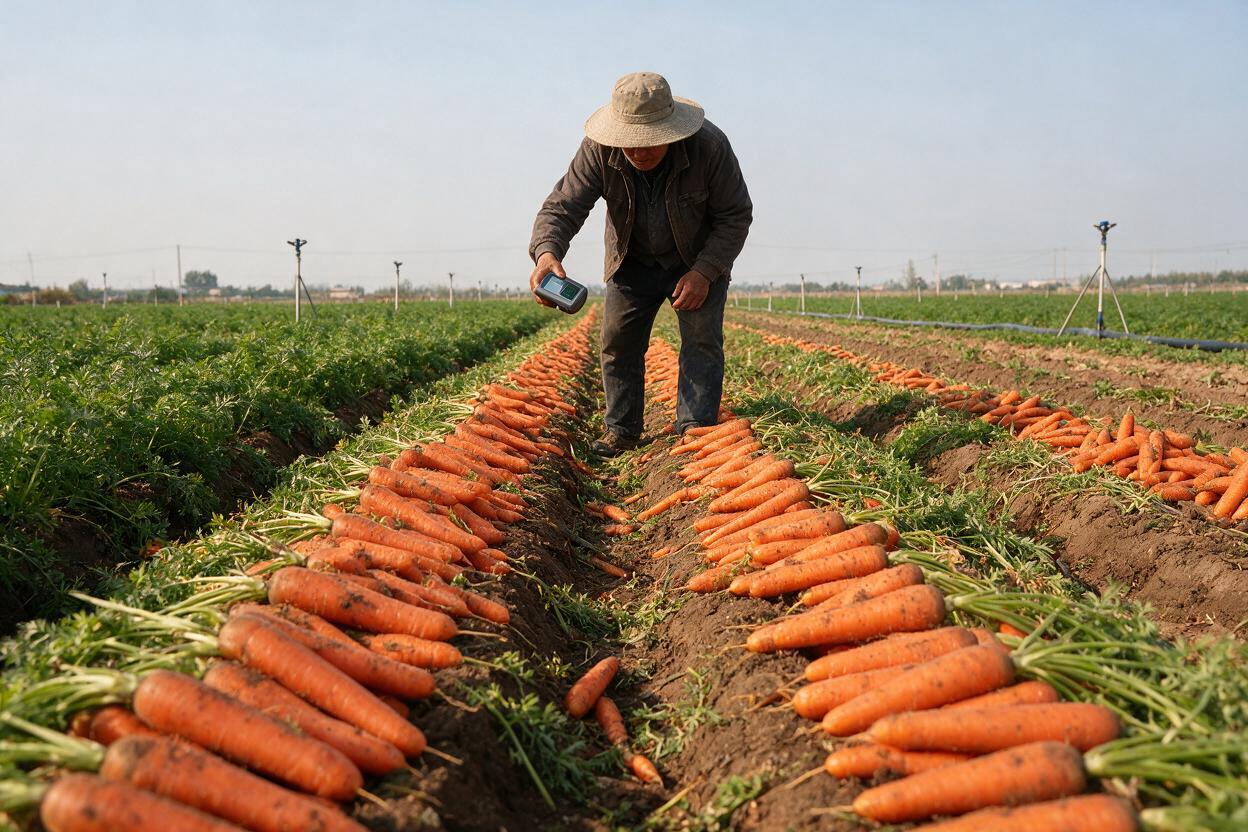
Each carrot lot is assigned a unique batch code at the farm. That code follows the product through washing, grading, packing and cold storage, capturing key data: growing location, harvest date, field treatments, washing water quality and temperature readings.
The record is stored in a shared, tamper-resistant ledger. Because entries cannot be altered after the fact, buyers and regulators can trust the information. This is especially valuable for export markets with strict phytosanitary and labeling rules.
Quality records and compliance
Beyond origin data, traceability captures test results such as pesticide residue analysis, microbial checks and grading outcomes. Consistent records help exporters build repeat business and quickly demonstrate compliance during audits or customs inspections.
For buyers, a traceable carrot supply means fewer surprises: if any issue appears downstream, the affected batch can be identified and isolated fast, rather than recalling a whole shipment. This reduces risk for importers, retailers and foodservice operators.
Shipping with a transparent record
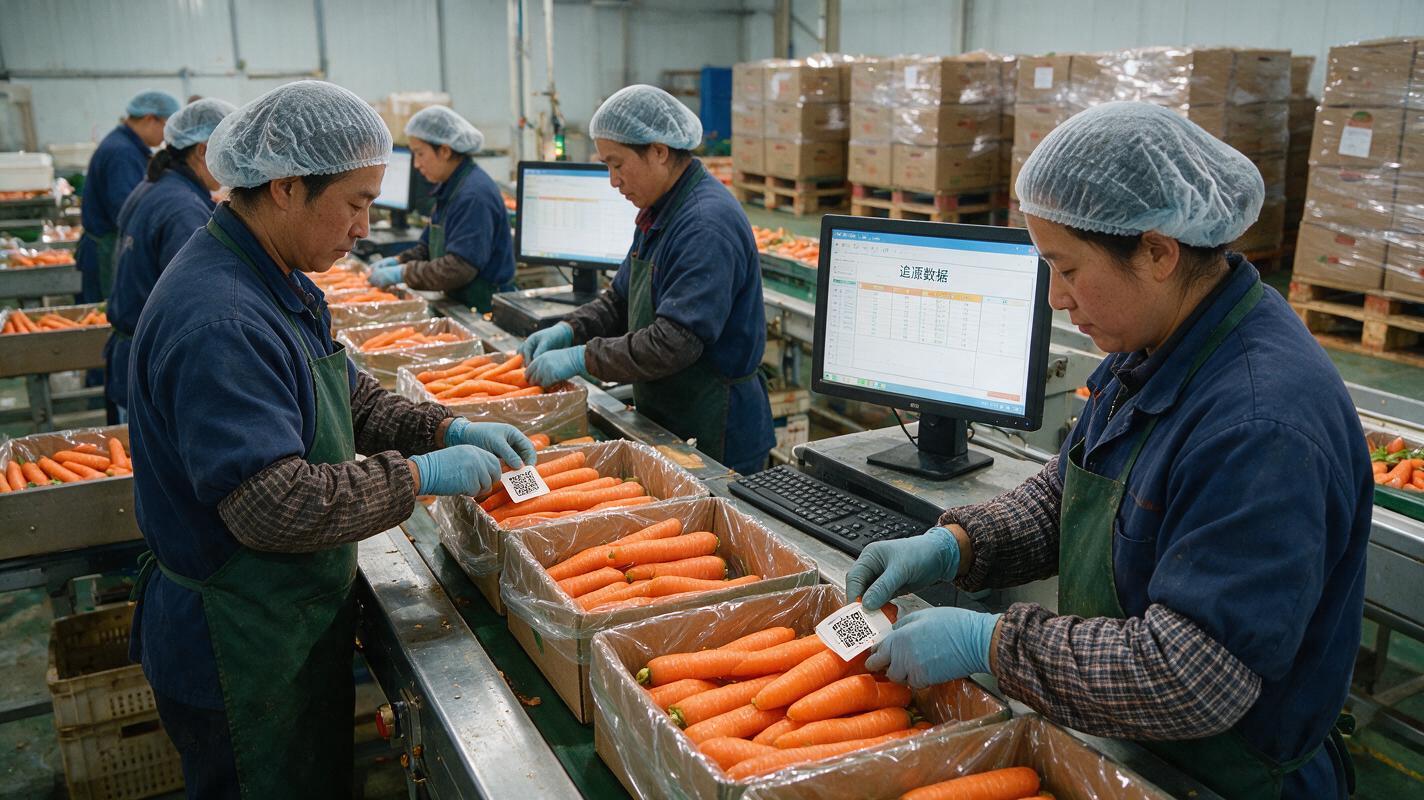
Traceability codes are printed on cartons and included in export documentation, so the digital record aligns with the physical shipment from field to port. Buyers can review the batch history as the cargo moves.
As international customers demand more visibility, Chinese suppliers with strong traceability systems stand out. For importers who want verified, well-documented carrots, blockchain-traced supply from China offers both confidence and convenience in one pipeline.