




Bell Pepper Storage Guide: Keeping China Exports Fresh
Storage is where bell pepper quality is either protected or lost. Fresh sweet peppers are living produce that continue to respire after harvest, so controlling temperature and humidity from the moment they leave the plant determines how firm, glossy and flavourful they arrive.
Temperature and humidity matter most
Bell peppers store best at cool temperatures that slow ripening without chilling the fruit, paired with high humidity to reduce moisture loss and shrivelling. Consistency is key, because swings in temperature cause condensation that can lead to decay on the glossy skin.
From field to controlled storage
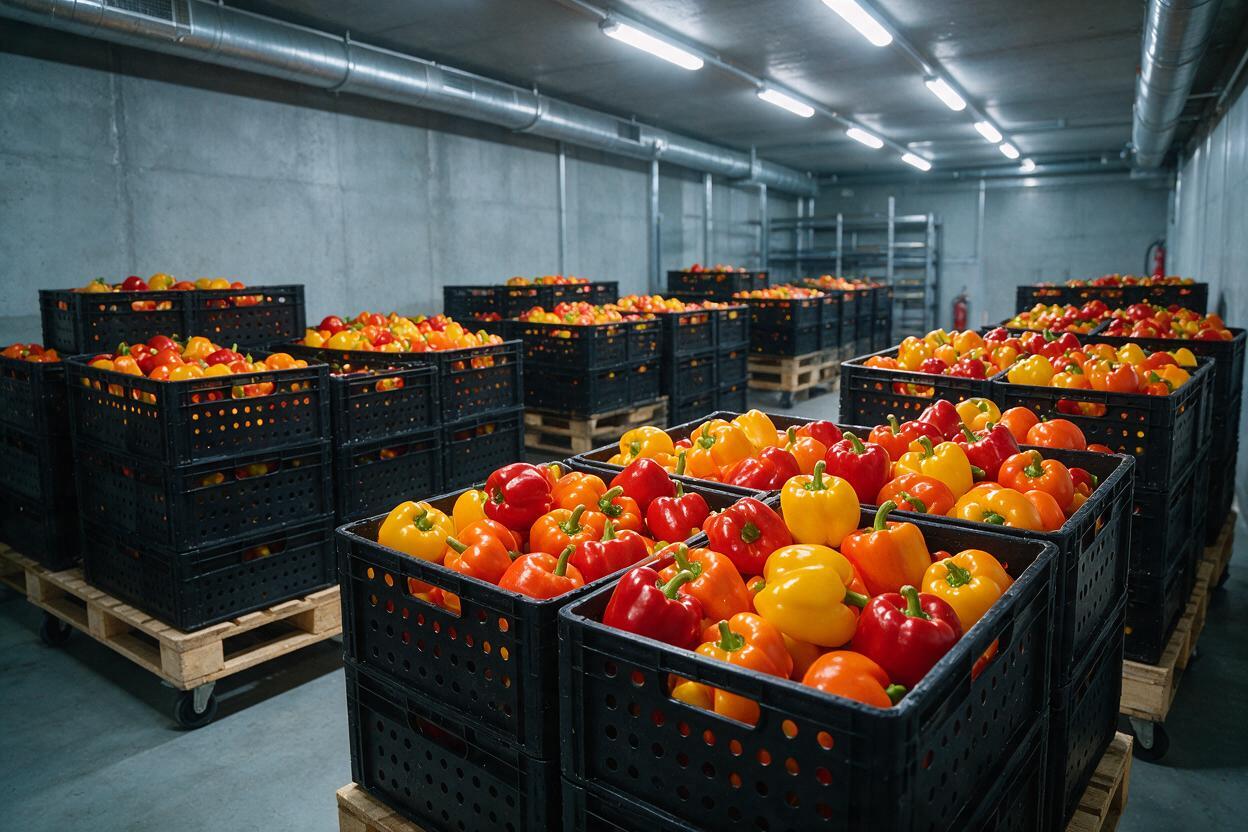
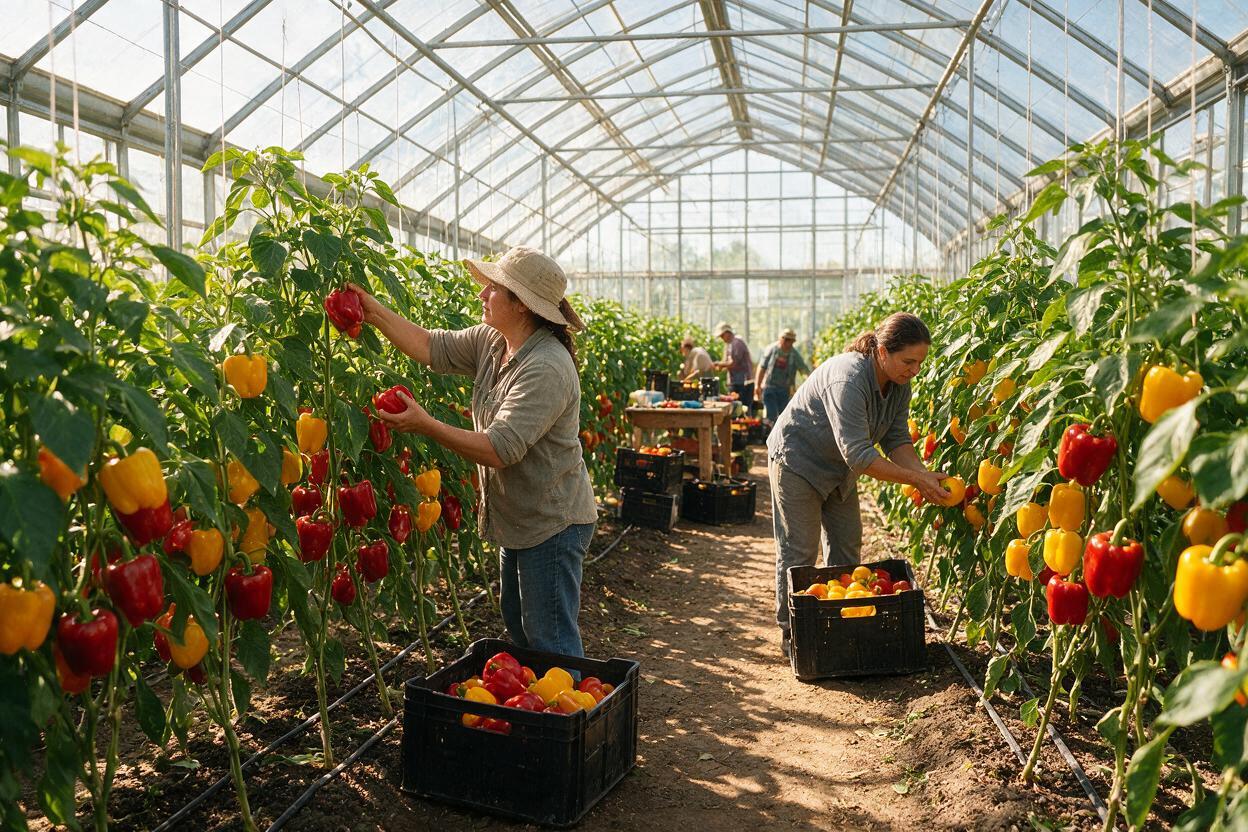
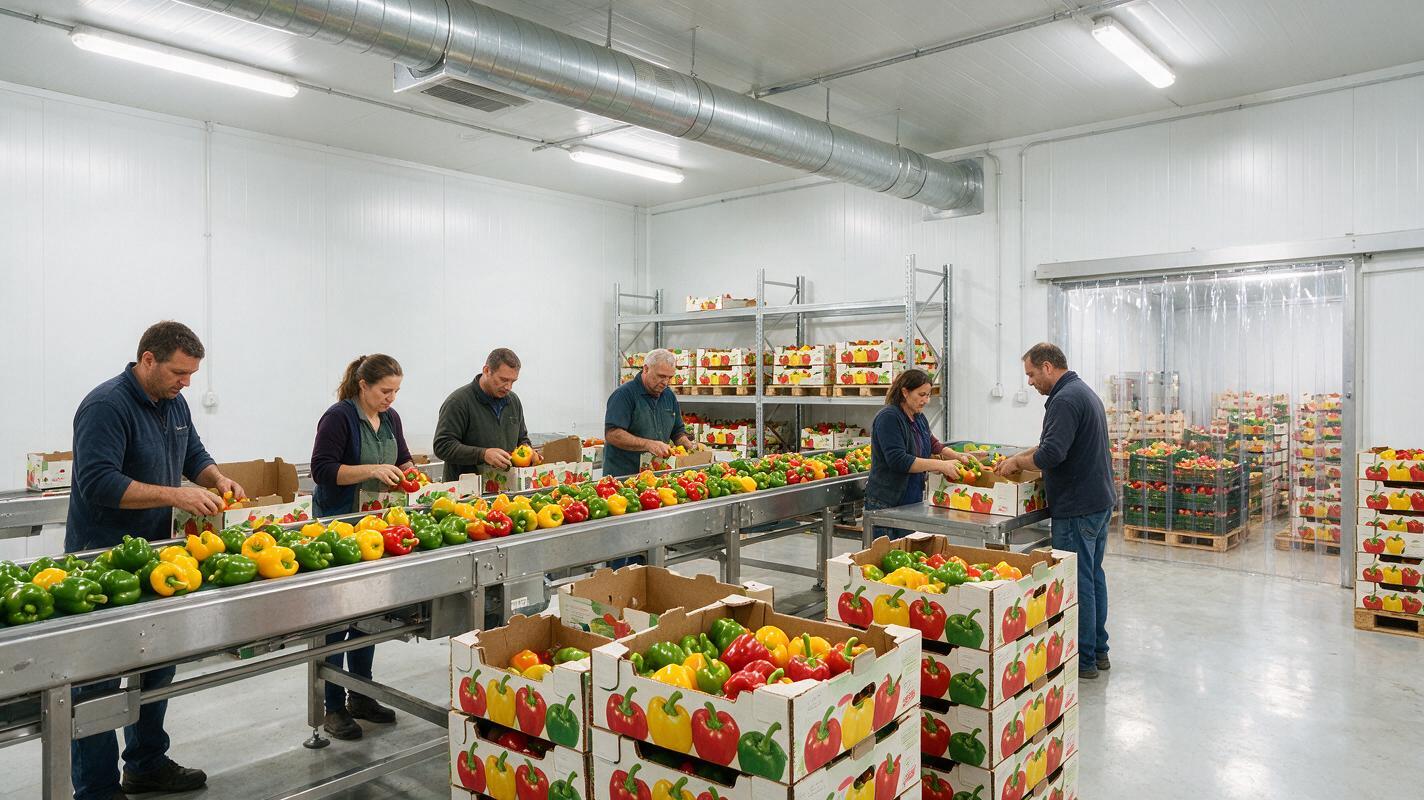
Huasheng moves freshly picked peppers into temperature-managed storage quickly, keeps them in ventilated crates that allow airflow, and holds them under steady conditions until packing. This careful handling preserves the crunch and colour buyers expect from export pepper.
What buyers should confirm
Ask your supplier about pre-cooling, storage conditions and transit settings. A disciplined storage and cold-chain plan is the real difference between peppers that arrive crisp and vivid and those that lose their appeal before reaching your market.