



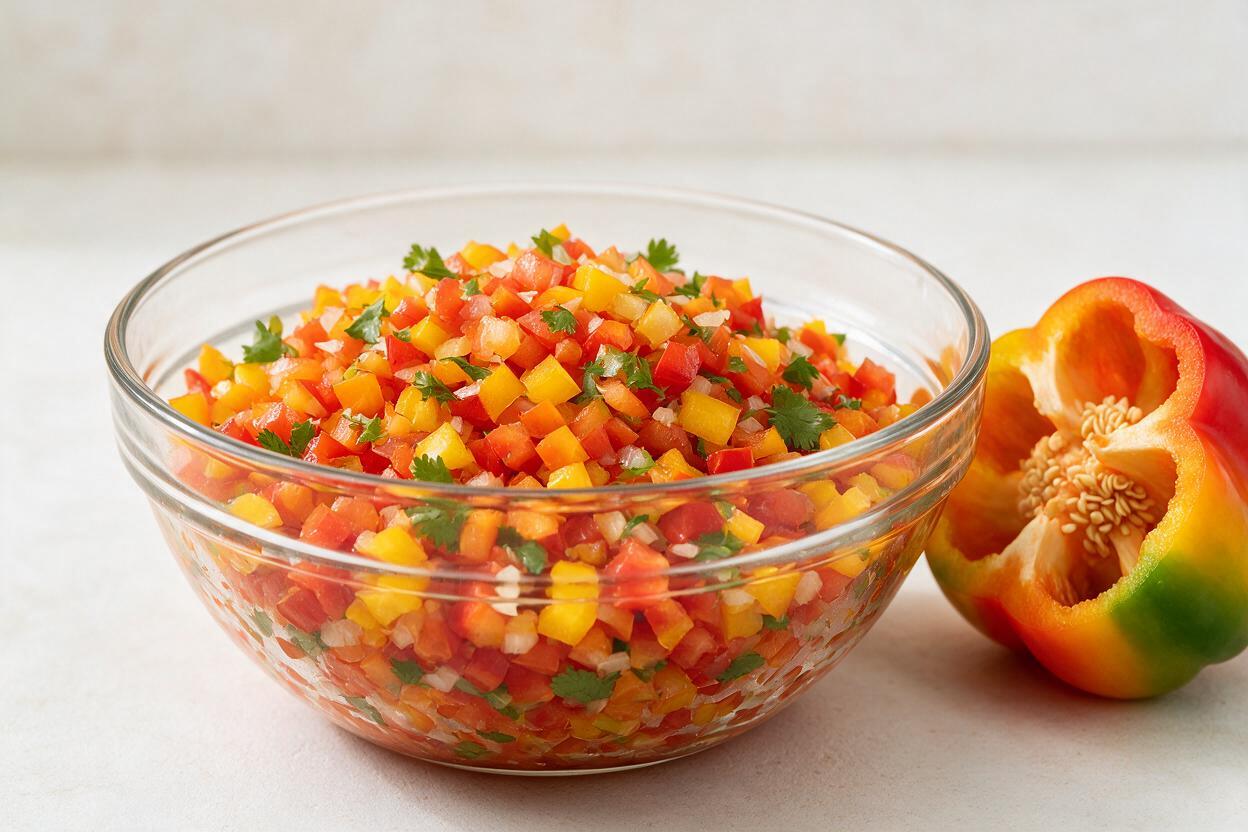
Fresh-Cut Bell Pepper Salsa & Diced Lines from China: Export-Grade Processing Standards
Fresh-cut bell peppers have moved from a niche convenience product to a staple of modern retail and foodservice. Retailers list diced pepper mixes, salsa chop and ready-to-cook trays in every crisp produce section, while foodservice operators demand consistent cuts that cook evenly and hold color. For importers, sourcing fresh-cut bell pepper from China has become a cost-effective way to secure a reliable supply of these value-added packs.
What makes a fresh-cut bell pepper line truly export-grade is not just the slicing skill - it is the discipline of the whole processing chain. Temperature, sanitation, cut geometry and packaging all interact. A line that cuts beautiful dices but breaks the cold chain for ten minutes can lose the entire batch to limp, oxidized fruit. This article walks through the standards a serious Chinese processor applies to deliver fresh-cut bell peppers that survive the journey to your market.
Choosing the right fruit: firmness and maturity
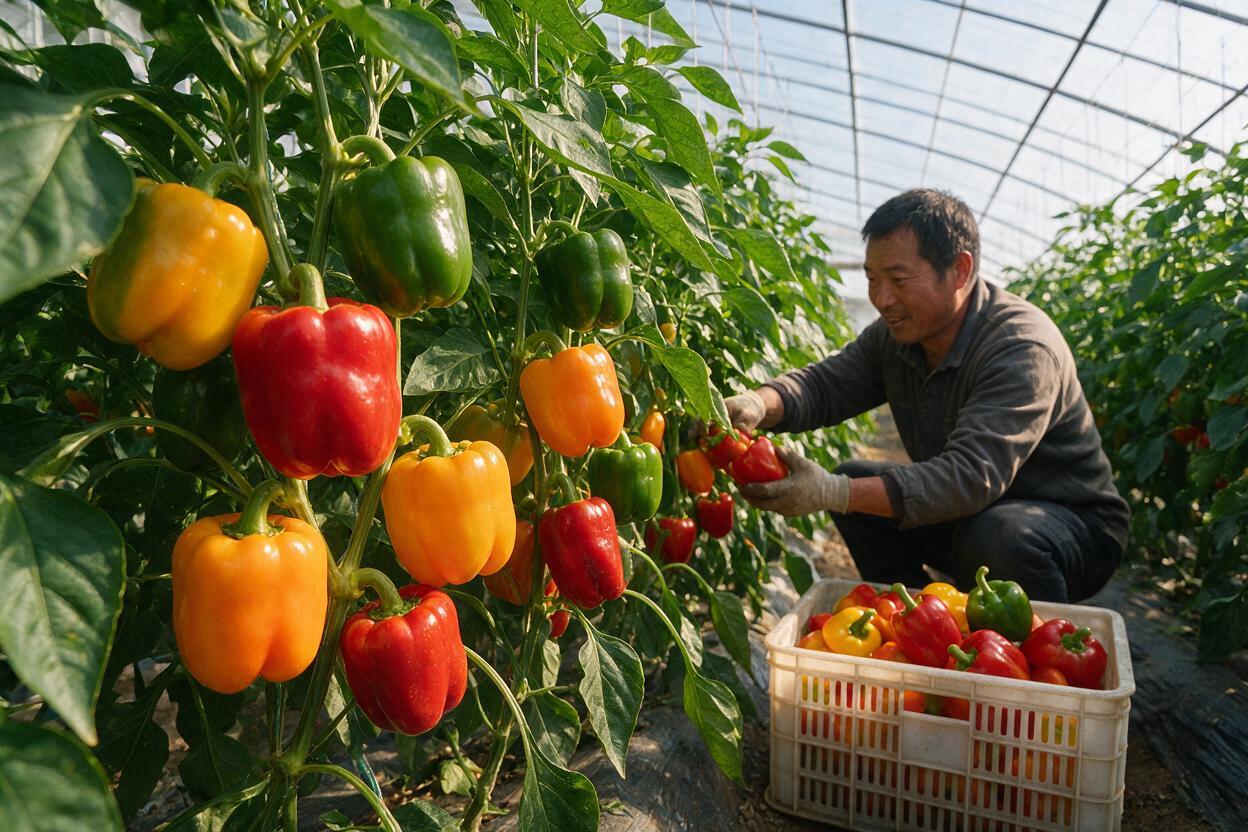
Fresh-cut output is only as good as the raw fruit. Export processors select blocky, thick-walled bell peppers with high firmness and uniform maturity. Wall thickness is critical - a thin-walled pepper slices poorly, loses moisture quickly and turns limp after cutting. Buyers should specify minimum wall thickness and demand fruit that is fully colored but not overripe, because overripe peppers bruise under the blade and release juice that accelerates spoilage.
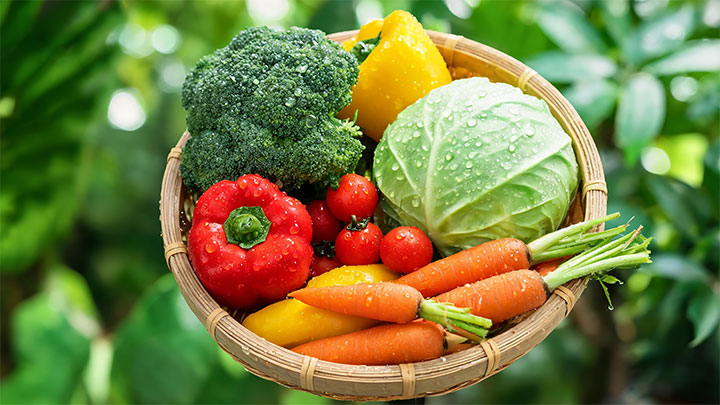
Color uniformity matters for retail visual appeal. A premium fresh-cut program will specify peppers that are deeply and evenly colored - red, yellow, orange and green - so that mixed trays look vibrant. Grading by caliber at intake, before any cutting, protects yield and consistency.
The processing line: wash, destem, dice, inspect
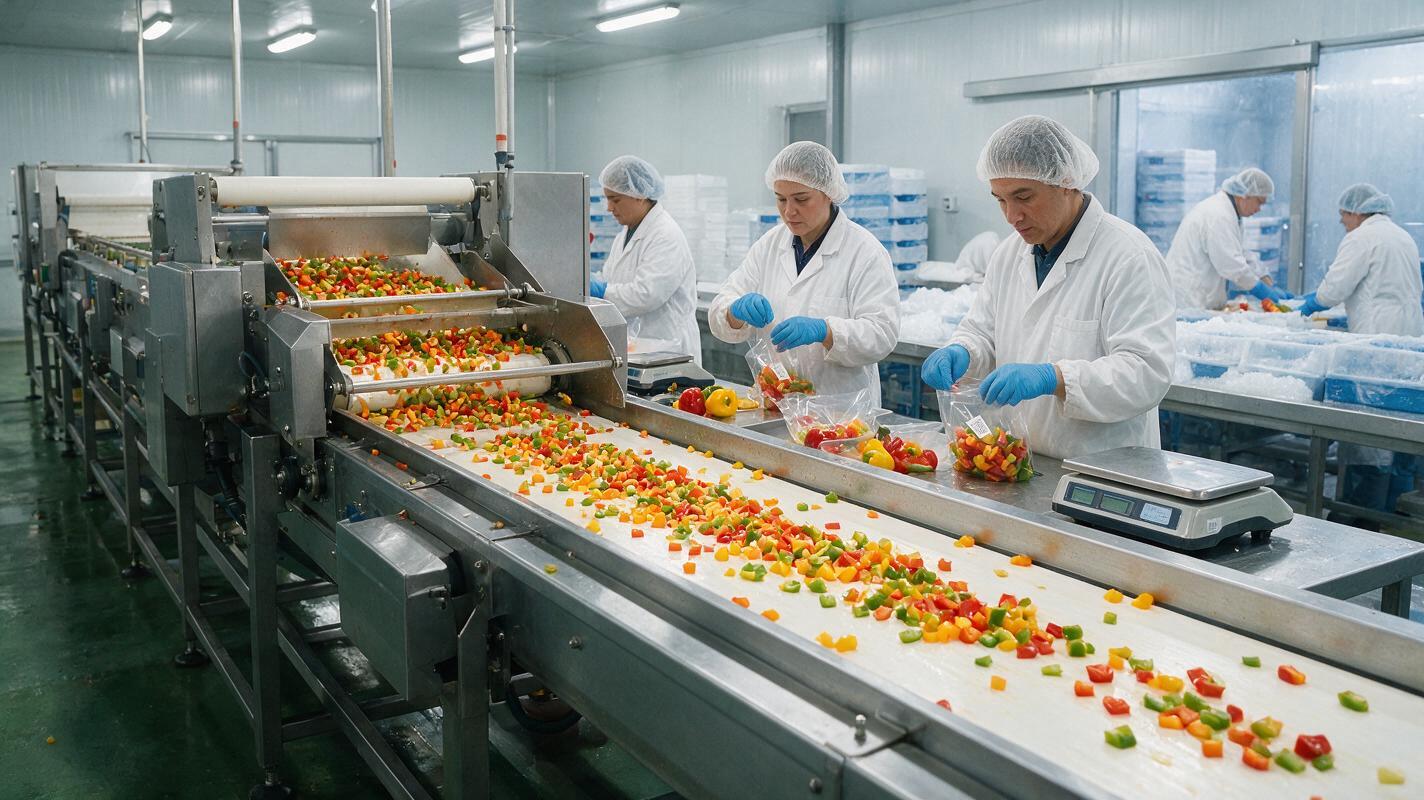
A modern Chinese fresh-cut line moves peppers through chlorine-sanitized washing, destemming, seed removal and precision dicing. The cut geometry is controlled to spec - typically diced at 10-13 mm for foodservice and finer chop for salsa. After cutting, the pieces pass through vibration and optical platforms where damaged pieces, seed fragments and off-colors are removed.
Every contact surface is food-grade stainless steel, and the processing room is kept at a low ambient temperature. Water quality is monitored, and operators follow validated sanitation schedules between batches to prevent cross-contamination and microbial build-up.
Cold chain: the true test of fresh-cut
The single biggest risk in fresh-cut bell pepper is temperature abuse. Cut surfaces expose more area to bacteria and respiration accelerates at higher temperatures. Export-grade lines rapidly cool the product after cutting, typically targeting a core temperature around 1-4°C, and pack into controlled-atmosphere or modified-atmosphere bags that slow respiration and preserve crunch.
From the packing room to the reefer container, the product must stay in the cold chain without interruption. Continuous temperature logging from cut to arrival is now expected by serious buyers. When you evaluate a Chinese supplier, ask for their cold-chain temperature records and how they handle loading, staging and transit handover.
Food safety and certifications
Global retail and foodservice buyers increasingly require HACCP-based food safety management, third-party audits and residue testing on fresh-cut produce. Leading Chinese exporters back their fresh-cut bell pepper with pesticide residue certificates, microbial testing and traceability from farm lot to finished pack. These credentials are what separate a commodity packer from an export-grade fresh-cut partner.
For importers considering fresh-cut bell pepper from China, focusing on a processor with verified cooling capacity, validated sanitation and documented cold chain gives you a dependable, value-added product line that retailers actually reorder.